
 By
By 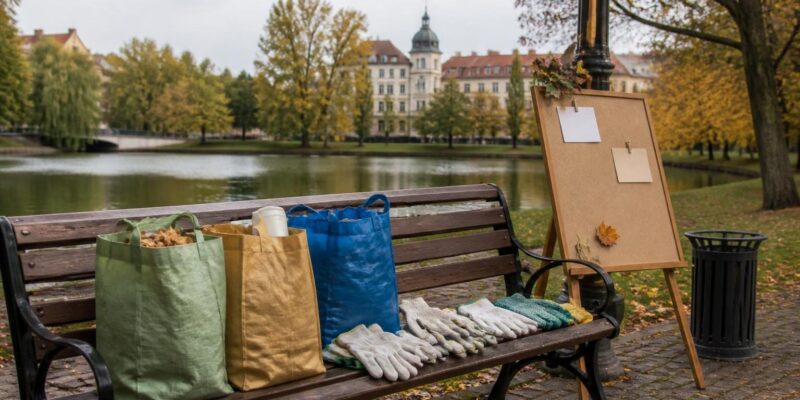
Kaliningrad’s autumn volunteering programme began on Tuesday, October 13, bringing together local-history activities, environmental work and practical support for animal shelters. The “Autumn Week of Good Deeds” will continue through October 20, with residents invited to join individual activities rather than commit to the full programme.
The programme has been prepared by the city’s Dobrovolets Volunteer Centre and the Municipal Youth Centre. Its organisers have presented the week as an accessible introduction to volunteering, with activities designed for people who may be taking part for the first time as well as for regular volunteers.
A civic programme built around the city
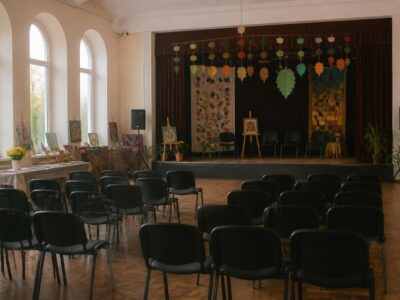
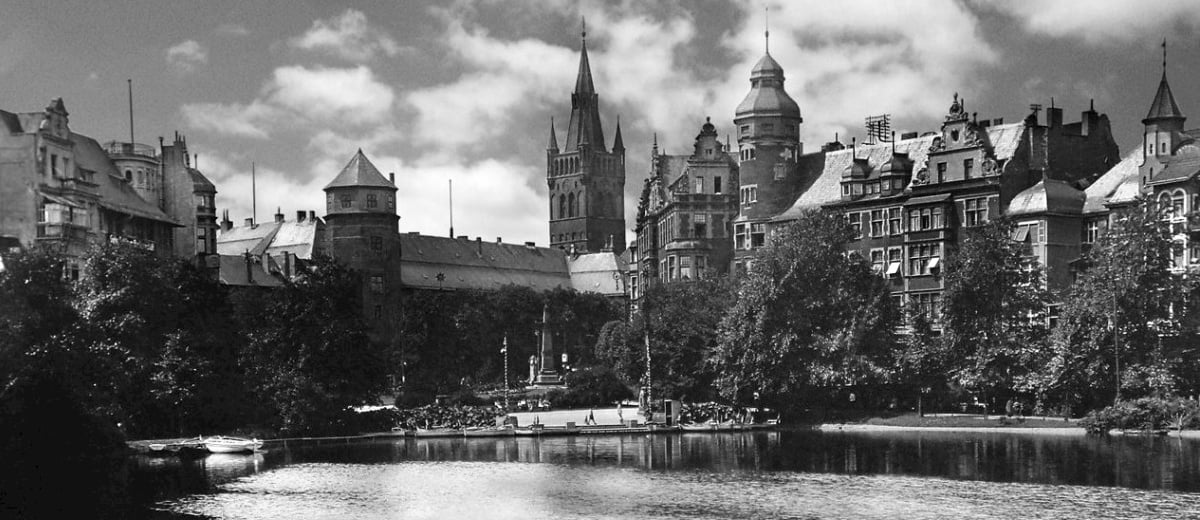
The opening event is a historical quiz connected with the 80th anniversary of the Kaliningrad Region. It is scheduled for 5:30 p.m. on October 13 at the Dobrovolets centre on Moskovsky Prospekt. The event uses local history as an entry point into civic participation, linking knowledge of the place with a broader discussion of community involvement.
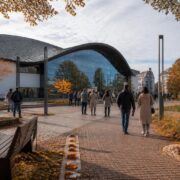
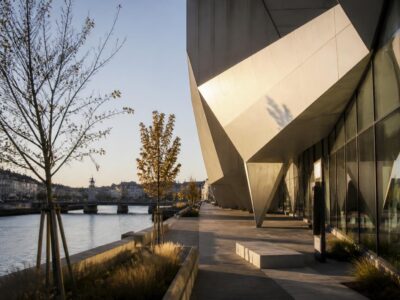
The week’s schedule then moves between public spaces and practical forms of assistance. On October 15, organisers plan a volunteer flash mob and filming session on Kant Island. The format is intended to make volunteering visible in one of the city’s most recognisable public spaces, while allowing participants to join without specialist skills or equipment.
On Friday, October 16, volunteers will meet for a clean-up at Yaltinsky Pond. The organisers say they will provide bags, gloves and other necessary equipment. Participants have been advised to wear comfortable clothing and closed footwear suitable for outdoor work.
From environmental work to support for shelters
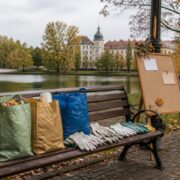
The programme also includes two collections on October 20. The “Good Caps” initiative will accept plastic bottle caps, while the “Bag of Good” collection will gather food for animals. The donated food is due to be passed on to shelters.
These activities give the week a practical focus: participants can contribute through time, physical work or a small material donation. That range is important for community programmes, since not everyone is able to attend a clean-up or a public event, but many residents can contribute recyclable materials or pet food.
A separate outline of the regional campaign describes additional themes, including assistance for older people and people with disabilities, media volunteering, environmental initiatives, cooperation with non-profit organisations and corporate volunteering. The city programme publicised for Kaliningrad focuses on the events organised by the Dobrovolets centre, while the wider campaign allows different local organisations to add their own activities.
Volunteering as an everyday urban practice
The organisers’ approach is deliberately modest. Rather than presenting volunteering only as a large-scale campaign, the programme offers several short activities in familiar places: a youth centre, Kant Island, a neighbourhood pond and collection points. That structure lowers the threshold for participation and makes it easier for residents to choose an activity that fits their schedule.
It also connects several aspects of urban life that are often treated separately. The history quiz is educational, the flash mob is cultural and public-facing, the pond clean-up concerns the everyday environment, and the shelter collection addresses animal welfare. Together, the events present volunteering as a part of local community life rather than as a single type of charitable work.
Residents interested in taking part are asked to register through the organisers’ social-media channels or the event announcements. Participation in the publicised activities is free. Times and registration requirements may differ between events, so participants should check the latest instructions before attending.
For Kaliningrad, the week offers a small but visible example of how civic programmes can combine local identity, care for shared spaces and direct support for community organisations. Its outcome will depend less on the scale of any one event than on whether occasional participation develops into a regular habit for residents.











Comments