
 By
Berlin’s cultural calendar gains a new four-day event on Thursday, November 26, when the Berlin Festival of Early Music opens under the theme “The Fascination of the Renaissance”. Running through Sunday, November 29, the festival brings Berlin-based and international ensembles to several historic venues, presenting Renaissance music not as a closed historical chapter but as a meeting point between heritage, experimentation and public participation.
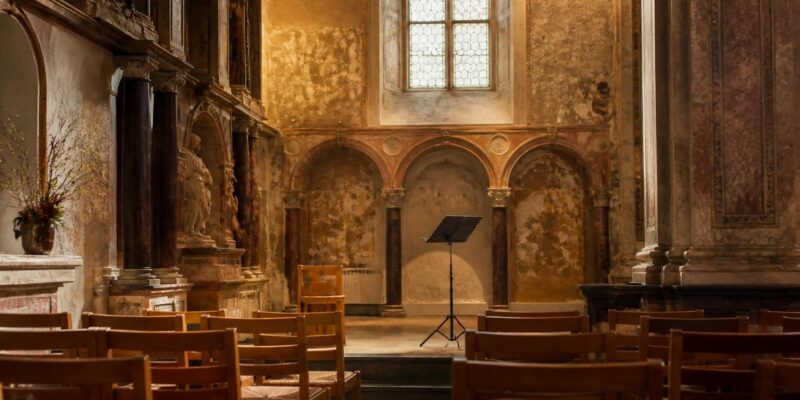
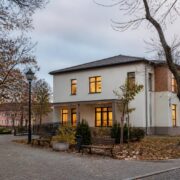
The debut is centred on venues including Villa Elisabeth, St. Elisabeth, St. Matthäus, the Sophienkirche and Berlin’s Museum of Decorative Arts. The combination of churches, historic buildings and museum space gives the programme an architectural dimension: audiences move between places whose acoustics, collections and urban settings become part of the experience. The festival is organised around concerts, guided formats, family activities and music presented in dialogue with visual art.
The opening programme begins on November 26 at St. Matthäus at the Kulturforum with “Titans Rising”, performed by the Titans Rising Ensemble with Alexander Bonus. According to the festival organisers, the programme sets the tone for an event interested both in the sound world of the Renaissance and in the ways historic material can be heard from a contemporary perspective. ([elisabeth.berlin](https://www.elisabeth.berlin/en/cultural-calendar/berlin-festival-early-music-fascination-renaissance?utm_source=openai))
A broad programme built around exchange
Across the following days, the festival moves through a wide range of forms. The programme includes Italian-influenced madrigals, sacred vocal music, instrumental works, Renaissance dance and music connected with the court of Renaissance Berlin. It also includes a musical guided tour at the Museum of Decorative Arts, where Venetian music is paired with the museum’s collection of glass art.
Friday’s programme combines a guided tour of Renaissance painting at the Gemäldegalerie with performances at the Museum of Decorative Arts and Villa Elisabeth. Among the featured artists is Ensemble Art d’Echo, led by Juliane Laake, presenting “CRANACH”, a programme reflecting on the music of the Berlin Renaissance court. The evening continues with a dance programme by The Playfords based on English dance music of the seventeenth century.
Saturday expands the festival’s reach beyond specialist early-music audiences. A family concert by Double Reed Tales Berlin introduces younger listeners to the world of musical storytelling, while a walking concert connects Villa Elisabeth and St. Elisabeth. Later performances include music by Salomone Rossi and Claudio Monteverdi, presented by Profeti della Quinta, and the Leuven Chansonnier programme by the Sollazzo Ensemble.
History presented as a living cultural resource
The festival’s central idea is not simply reconstruction. Its organisers describe the Renaissance as a period of new beginnings, artistic boldness and exchange, and use that framing to connect old repertories with present-day questions about listening, interpretation and cultural contact. The programme includes music from different traditions and settings, while several formats invite audiences to encounter the material through movement, conversation or visual culture.
That approach also makes the festival suitable for visitors who may not normally attend specialist early-music concerts. The family shadow theatre, the museum-based guided tour and the walking concert offer different entry points into the subject. Rather than concentrating the programme in a single concert hall, the organisers use Berlin’s cultural geography as part of the event’s structure.
Berlin’s official tourism organisation describes the festival as a new addition to the city’s cultural programme and highlights its combination of sacred vocal music, Italian madrigals, historical dance music and family programming. The listing also identifies ensembles such as Cappella Pratensis, Profeti della Quinta, the Sollazzo Ensemble, The Playfords and the B’Rock Orchestra & Vocal Consort among the participating artists. ([visitberlin.de](https://www.visitberlin.de/en/event/berlin-early-music-festival-2026?utm_source=openai))
A closing bridge from Renaissance to the present
The final day, November 29, continues the programme with Cappella Pratensis performing “Missa Maria zart”, followed by a presentation of arias and cantatas by Caspar Kittel, a student of Heinrich Schütz, by Joel Frederiksen and Ensemble Phoenix Munich.
The festival concludes at the Sophienkirche with “Da Pacem”, performed by the B’Rock Orchestra and Vocal Consort. The programme combines music by Heinrich Schütz with electronic elements, creating a deliberate bridge between historical repertoire and contemporary sound. An environmental and Christmas market in Sophienstraße, with Advent songs and audience participation, forms part of the wider closing-day programme.
For Berlin, the festival offers a compact example of how cultural heritage can be activated without being reduced to nostalgia. Its first edition brings specialist performers, museums, churches, families and visitors into one programme, using the city’s historic spaces to make Renaissance music accessible as a living and adaptable art form.












Comments