

 By
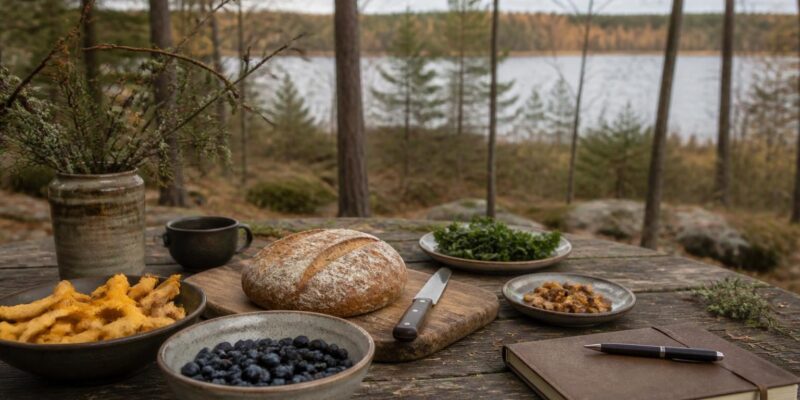
Sweden is taking a closer look at how food can become a stronger reason to travel. Visit Sweden has published a national gap analysis of Swedish food tourism and is presenting the findings in a webinar on November 25, 2026. The work examines what international travellers want from food-focused trips, how Swedish destinations currently present their offers and where the two sides do not yet fully meet.
The development is less about launching a single new attraction than about improving the way an existing national asset is organised and communicated. Visit Sweden’s analysis argues that Sweden already possesses many qualities associated with attractive food destinations: local ingredients, craftsmanship, nature-based experiences, restaurants, regional traditions and a broad everyday food culture. The challenge is to make those qualities more visible before visitors arrive and easier to navigate once they are planning a trip.
Strong experiences, limited visibility
The gap analysis draws on several strands of research, including a review of how 17 Swedish destinations and tourism organisations present food experiences online. Visit Sweden stresses that this is a study of what is identified and made visible in the examined material, rather than a complete inventory of everything available across the country.
That distinction is important. A local producer, farm shop or seafood experience may exist, but still be difficult for an international visitor to find, compare or book. The analysis therefore treats digital presentation, destination positioning and packaging as part of the tourism product itself.
According to Visit Sweden, 81 percent of surveyed foreign visitors gave high ratings to the quality of Swedish food, while 92 percent rated restaurant hospitality highly. At the same time, the organisation says Sweden is not always recognised internationally as a destination for distinctive or sophisticated food experiences. The implication is constructive: the country may not need to invent an entirely new culinary identity, but to explain and connect its existing one more effectively.
From a meal to a sense of place
The research highlights six broad opportunity areas, including gastronomic quality, local distinctiveness, food experiences connected to nature, learning and participation, and the relationship between food, culture and creative life. These categories point towards a wider understanding of food tourism than restaurant dining alone.
For travellers, a meal can be a way to understand a landscape, a working tradition or a community. A market, a visit to a small producer, a guided fika walk, a seafood experience or cooking outdoors can all function as travel experiences when they are connected to a clear place and story.
Visit Sweden’s demand analysis reports that 78 percent of surveyed travellers want to try food and drink unique to the country they visit, while 77 percent want to eat at restaurants serving local food. The organisation also says that 89 percent see local food as a way to understand a destination’s culture, and 83 percent report learning about food and drink during their travels.
Those findings suggest that visitors are not looking only for famous restaurants or expensive menus. They are also interested in accessible experiences that reveal how ingredients are grown, gathered, prepared and shared. Swedish fika and bakery culture, local seafood, game, traditional techniques and meals served in natural settings can all fit into that wider picture.
Three practical priorities
The new analysis identifies three broad ways for destinations and tourism businesses to respond.
- Choose according to local strengths. Destinations do not need to offer everything. They can focus on a distinctive ingredient, tradition, producer, chef, landscape or combination of food and nature.
- Place and package the experience. A meal becomes more meaningful when it is connected to local stories, cultural sites, outdoor activities, producers or opportunities for visitors to participate.
- Make the offer easier to see and choose. Clear descriptions, practical information, digital visibility and straightforward booking routes can help turn interest into an actual visit.
Visit Sweden says the areas are not a ranking. Different regions will have different starting points, resources and audiences. A coastal destination may build around seafood and maritime culture, while a rural inland area may focus on forest ingredients, farming, baking or food linked to hiking and seasonal change.
A national project with a local outcome
The webinar and research form part of a wider Visit Sweden assignment from the Swedish Board of Agriculture running from 2025 to 2027. The project is intended to increase knowledge about food tourism and identify what Sweden needs to remain attractive to food-interested international travellers.
The timing gives the findings a practical purpose. Rather than presenting food tourism as a separate luxury niche, the research frames it as a tool for regional development, destination marketing and local business cooperation. Its recommendations could help municipalities, regions, producers, restaurants and tourism companies work from a shared understanding of what visitors are seeking.
For Sweden, the next stage may therefore be less about a single national campaign and more about making many smaller experiences legible as part of a coherent journey. The country’s food-tourism offer already exists in farms, kitchens, markets, landscapes and traditions. The new analysis asks how those pieces can be connected so that travellers can find them, understand their value and take part.



















Comments