 By
By 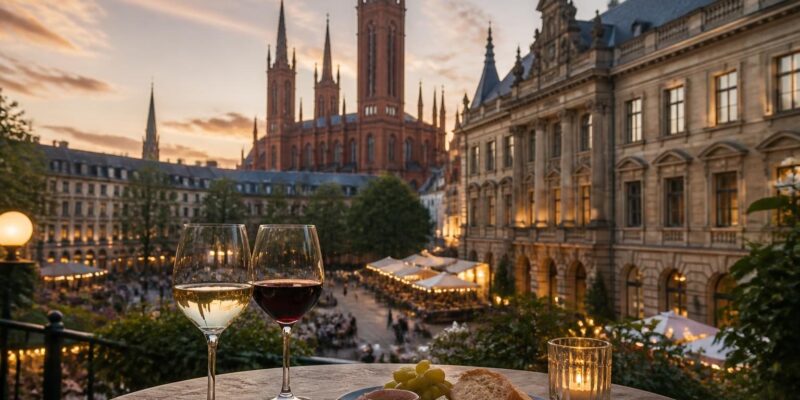
WIESBADEN, Germany — Wiesbaden’s Rheingau Wine Week is in its final days, offering residents and visitors a large-scale introduction to the wines, sparkling wines and food traditions of the surrounding Rheingau region. The 2026 edition runs through Sunday, August 23, in the historic centre around Schlossplatz, the Dern’schen grounds and the square in front of the Marktkirche. ([tourismus.wiesbaden.de](https://tourismus.wiesbaden.de/en/erleben/events/stadtevents/rheingauerweinwoche?utm_source=openai))
Organised as a city-centre festival rather than a conventional trade fair, the event connects regional wine producers with public space, music and informal dining. Wiesbaden’s tourism office describes the programme as featuring more than 100 stands and over 1,000 different wines and sparkling wines. The city has presented the festival as a recurring meeting point for regional identity, hospitality and everyday urban life. ([tourismus.wiesbaden.de](https://tourismus.wiesbaden.de/en/erleben/events/stadtevents/rheingauerweinwoche?utm_source=openai))
A regional showcase in historic surroundings
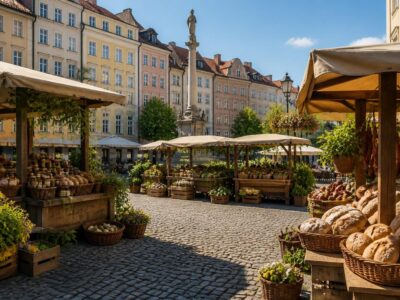
The festival’s setting is central to its appeal. Stalls are distributed between the town hall, the Marktkirche and the Dern’schen grounds, allowing visitors to move through several public squares while comparing producers and styles. The arrangement also places the Rheingau’s wine culture within Wiesbaden’s architectural landscape, rather than separating it from the city’s normal civic life.
According to the city’s programme information, the 2026 event is the 49th edition. The festival has been held annually since 1976 and has gradually expanded beyond wine tasting to include culinary offerings and musical performances. Its long-running format gives the event a clear local continuity while leaving room for producers to present new vintages and products. ([wiesbaden.de](https://www.wiesbaden.de/en/microsite/rheingauer-weinwoche/weinwoche/rheingauer-weinwoche-2025?utm_source=openai))
Wine, food and music across three stages
Wine is the central theme, but the experience is designed around a broader summer menu. Regional producers serve wines and sekt, while food stands offer dishes intended to accompany tastings and provide a more complete meal. Hessen Tourism lists the event as a ten-day programme with wine, sparkling wine, culinary specialities and music across three stages. ([hessen-tourismus.de](https://www.hessen-tourismus.de/essen-trinken/feierfreudiges-hessen/wein-und-winzerfeste?utm_source=openai))
The programme reflects a familiar pattern in German regional festivals: local food and drink are presented not only as products, but also as part of a place-based experience. Visitors can discover producers, taste several styles in one afternoon and spend time in the surrounding squares without needing to travel through the wider wine-growing area.
A festival with a broad public audience
Wiesbaden’s official description stresses that the wine week is intended for different generations and combines tradition with contemporary city life. The event is open daily during its ten-day run, with the main areas generally operating from late morning until late evening. On Fridays and Saturdays, the stands remain open until midnight; on other days, closing times are earlier. ([tourismus.wiesbaden.de](https://tourismus.wiesbaden.de/en/erleben/events/stadtevents/rheingauerweinwoche?utm_source=openai))
That schedule supports both short visits and longer evenings. People can stop by after work, plan a meal around a tasting or use the festival as a starting point for exploring the historic centre. The format also gives smaller regional producers a visible platform in a high-footfall urban setting.
The final weekend ahead
As of Wednesday, August 19, the 2026 edition has four days remaining. The closing weekend will continue the combination of wine stands, food vendors and live music around the central squares. The city’s tourism office promotes the event as a chance to experience the Rheingau through local producers while enjoying Wiesbaden’s public spaces. ([tourismus.wiesbaden.de](https://tourismus.wiesbaden.de/en/erleben/events/stadtevents/rheingauerweinwoche?utm_source=openai))
For Wiesbaden, the festival offers a constructive example of how food culture can support urban tourism without relying on a single venue. Its ingredients are straightforward: regional products, historic surroundings, accessible public programming and a schedule that invites visitors to stay for an evening. That combination keeps the focus on the area’s agricultural and culinary character while making the experience available in the centre of the state capital.











Comments