
 By
By 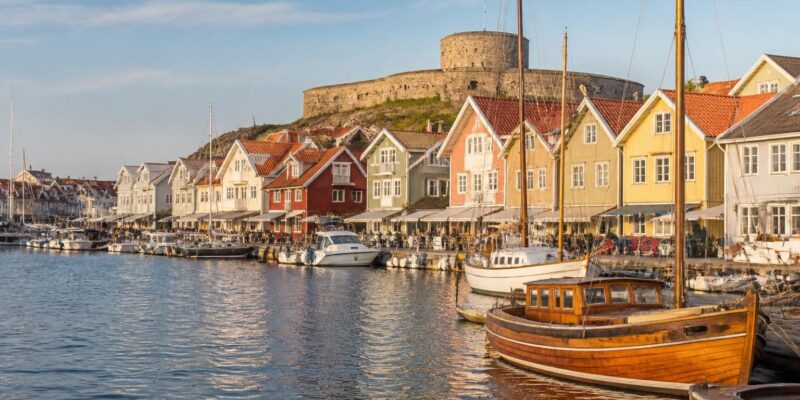
Marstrand, the small island community on Sweden’s west coast, is spending this weekend looking back to the era when it was one of Scandinavia’s best-known seaside resorts. The 2026 Turn-of-the-Century Days, held from Friday 7 August to Sunday 9 August, bring period costumes, markets, music, theatre and classic boats into the harbour streets and public spaces. The event reaches its final day on Sunday, 9 August.
Organised by the non-profit Sekelskiftesdagarna i Marstrands ideella förening, the festival is designed as a living-history experience rather than a conventional museum display. Organisers invite visitors to take part in the atmosphere by dressing as a market seller, sailor, fisherman or turn-of-the-century visitor. More than 300 performers are scheduled across the weekend, including musicians, actors, dancers, singers, guides, sailors and storytellers. ([sekelskiftesdagarna.se](https://sekelskiftesdagarna.se/en/?utm_source=openai))
A historic resort brought back into view
The central idea is to present Marstrand as a seaside resort at the turn of the twentieth century. That period is reflected in the programme’s bathing traditions, harbour life, public entertainment and carefully staged arrivals. On Saturday, the steamship Bohuslän is scheduled to bring the festival’s ceremonial King Oscar II character to the quay, where he is welcomed by the fortress commandant and costumed participants.
The harbour programme also focuses on maritime craftsmanship. Visitors can see wooden boats, model vessels and classic craft associated with Sweden’s west-coast boating culture. The Båthistoriska riksförbundet, Sweden’s national association for boat history, lists the event as part of its 2026 calendar and highlights the combination of traditional boats, period dress and the steamship arrival. ([bhrf.se](https://bhrf.se/event/sekelskiftesdagarna-pa-marstrand/?utm_source=openai))
Music, markets and activities for visitors
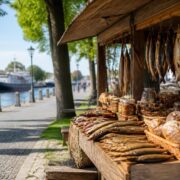
The festival offers a broad programme intended to make the island accessible to more than specialist heritage enthusiasts. A period-style market on the quay includes food, bread, cheeses, rope-making goods, rugs, hats and old photographs. Guided walks explore Marstrand’s streets and its historic relationship with maritime trade and summer visitors.
Music forms another major part of the weekend. Concerts at Marstrand Church include performances linked to the repertory of Swedish singers Jussi Björling and Kristina Nilsson, while the Marstrand Ballad Festival presents songs associated with the Swedish troubadour tradition. Brass-band performances, theatre and public demonstrations help turn the island itself into the event venue rather than confining the programme to one stage.
There is also a clear family component. Children can join a circus workshop in Paradise Park, with activities including juggling and traditional circus props. On Sunday, organisers have planned a children’s cake and entertainment gathering, while the wider programme includes storytelling, face painting and open-air performances. ([sekelskiftesdagarna.se](https://sekelskiftesdagarna.se/en/?utm_source=openai))
A compact destination for a late-summer visit
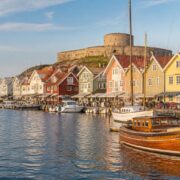
Marstrand’s appeal lies partly in the way the event connects culture with place. The island is known for its harbour, maritime setting and Carlsten Fortress, and the festival uses those features as an open-air backdrop. Visitors can move between the quay, the church, public gardens, historic streets and the fortress area while following the programme at their own pace.
The municipal events calendar describes the weekend as a return to a historic seaside resort, with bathing attendants, royalty, markets, theatre, music and classic boats filling the island. That makes the festival relevant not only to people interested in historical reconstruction, but also to travellers looking for a walkable coastal destination with a strong local identity. ([marstrand.se](https://www.marstrand.se/en/events?utm_source=openai))
The organisers have run the event through a non-profit association since 2015 and say their aim is to develop it sustainably over the long term. Its format depends on local volunteers, performers, boat enthusiasts, businesses and visitors contributing to a shared atmosphere. Rather than presenting heritage as something static, the festival makes the town’s built environment, maritime traditions and social history part of a temporary public performance.
For travellers arriving on the final day, Sunday’s programme includes period entertainment, the children’s activities, classic boats and a closing concert at Marstrand Church. The event provides a timely snapshot of how a small Scandinavian coastal community can use heritage, participation and storytelling to extend the appeal of a summer destination beyond its scenery alone.











Comments