

 By
By 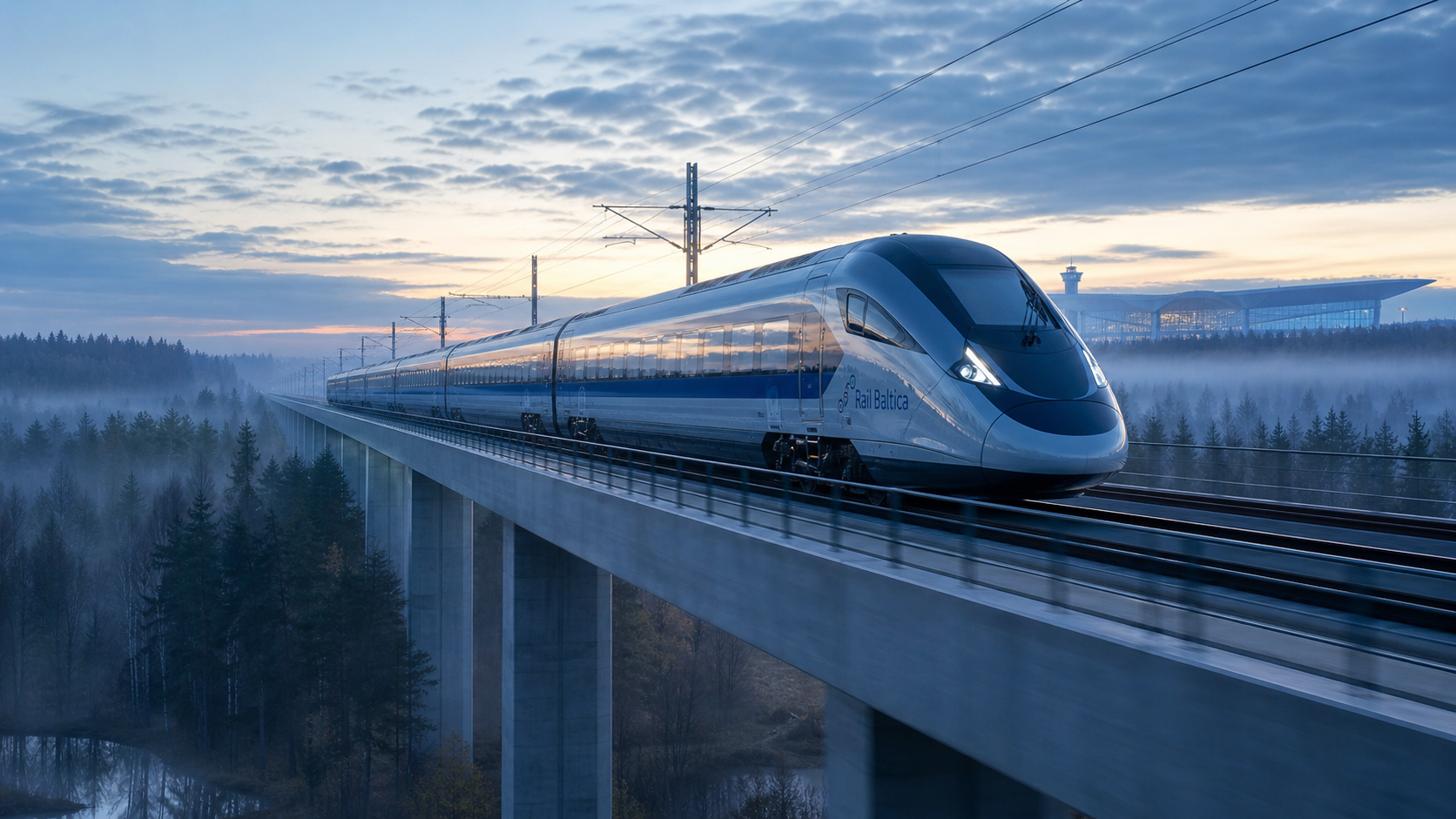
The landscape of the Baltic states is physically shifting as the Rail Baltica project moves from blueprints to massive track-laying operations across Estonia, Latvia, and Lithuania. Following the April 27 Industry Day, the project is officially entering its “acceleration phase,” with billions in procurement opportunities now live.
Connecting the Capitals: 2026 Milestones
According to the Rail Baltica Industry Day 2026 report, the progress is staggering. In Estonia, 107 kilometers of the mainline are now under active construction, including the landmark Ülemiste terminal. Lithuania has officially begun track laying on its first 8.8 km section, while Latvia focuses on the complex integration of the Riga Central Station and the Riga Airport link. This progress is a cornerstone of the Estonian tech scene and infrastructure prowess, proving that the region can handle “megaprojects” of European scale.
Economic Sovereignty and Security
Beyond passenger travel, the project is a “strategic investment in Europeanconnectivity and security,” as noted by Roderikas Žiobakas, Lithuania’s Vice-Minister of Transport. The 1435mm standard gauge will finally integrate the Baltics into the Western European rail system, ending decades of logistical isolation. For investors looking to invest in Poland and the Baltics 2025-2026, the Rail Baltica corridor represents a future logistics goldmine, with new freight terminals and industrial hubs planned along the route.
With a target completion date of 2030, Rail Baltica is no longer a “dream project”—it is a reality of concrete and steel. Will this high-speed link truly transform the Baltics into a single, unified economic zone? We want to hear your perspective!






















Comments