 By
By 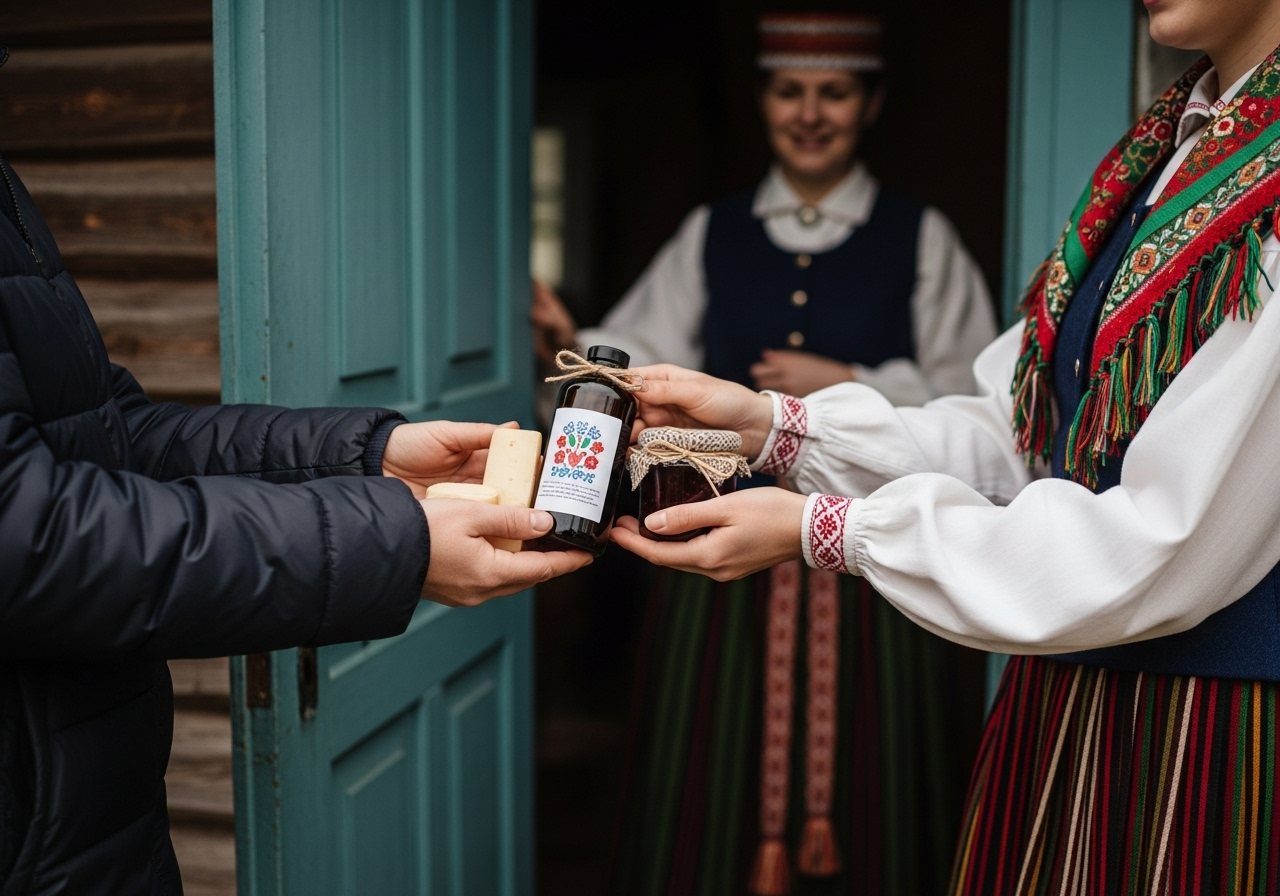
Invited to an Estonian home? Discover the one unspoken cultural rule you must follow to be a perfect guest. Hint: it’s all about what’s in your hands.
Estonian Culture: The Secret Code of Being a Welcome Guest
Picture this: you’re invited to a friend’s home in a quiet Tallinn suburb or a rustic summer cottage on Saaremaa island. You’ve picked your outfit, you’re on time, but as you approach the door, a nagging feeling surfaces. Did you forget something? If you want to truly connect, the answer is probably yes.
In the world of Estonian customs, there exists a silent, powerful rule: you do not visit someone empty-handed. This isn’t a law written in any book, but it’s etched deep into the nation’s cultural DNA. To show up with nothing but a smile is a cultural misstep, a faint but noticeable dissonance in the harmony of hospitality.
But let’s be clear—this isn’t about materialism. Your Estonian host isn’t secretly hoping you’ll furnish their home or stock their pantry. The tradition is a relic of centuries past, a subconscious expectation that has little to do with need and everything to do with connection. It’s a gesture, a small token that says, “I was thinking of you,” and “I appreciate your invitation.” The happiness of seeing a guest is paramount, but the small gift is the unspoken punctuation mark that completes the sentence.
So, what’s the right move? Forget generic souvenirs. The key is to bring something with a story.
Think personal, think national. Are you Latvian? Bring a bottle of Riga Balsam. Yes, Estonians might joke that drinking it is a “challenge,” but they’ll cherish the gesture (and the story you tell with it). Our Norwegian friends often bring brunost; its sweet, peculiar taste may not be for everyone, but the act of sharing your culture—and teaching them the “right” way to eat it—is what truly matters. And to our Dutch visitors: yes, the rumors are true. We adore your cheese. A small piece is infinitely better than an empty hand.
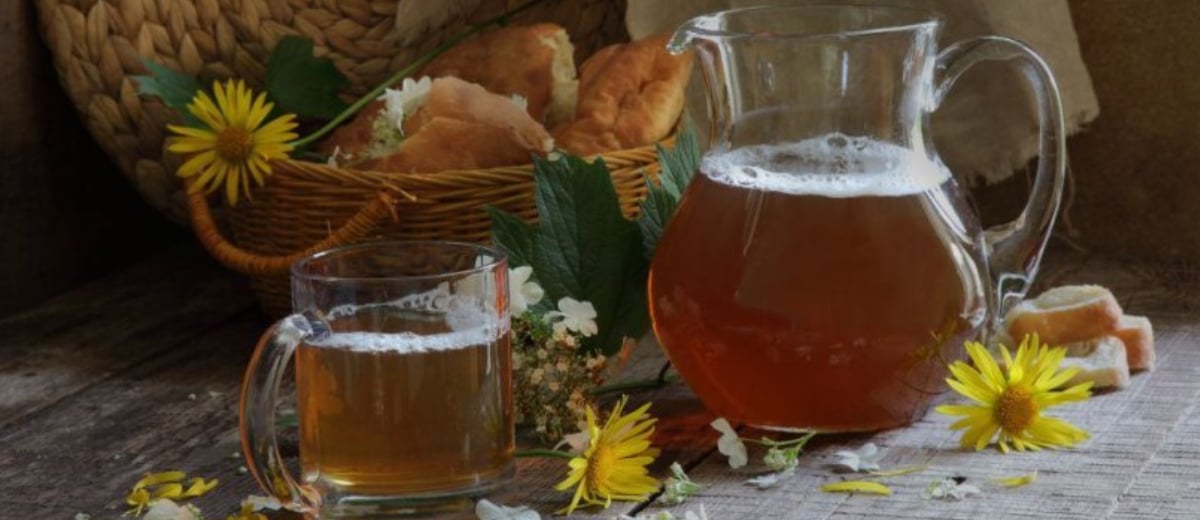
The best gifts are those that can’t be ordered online or picked up at the local supermarket. Something from your garden, a homemade jam, a traditional drink, or a practical, interesting item from your homeland. It’s about sharing a piece of your world.
Estonians themselves are masters of this tradition. When traveling abroad, they’ll often pack a bag of kama—a traditional, finely milled mixture of roasted grains. It’s nutritious, uniquely Estonian, and a perfect conversation starter. It’s their way of sharing a piece of home.
This beautiful custom is more than just an exchange of goods; it’s an exchange of respect and warmth. It’s the simple acknowledgment that sharing a space in someone’s home is a privilege.
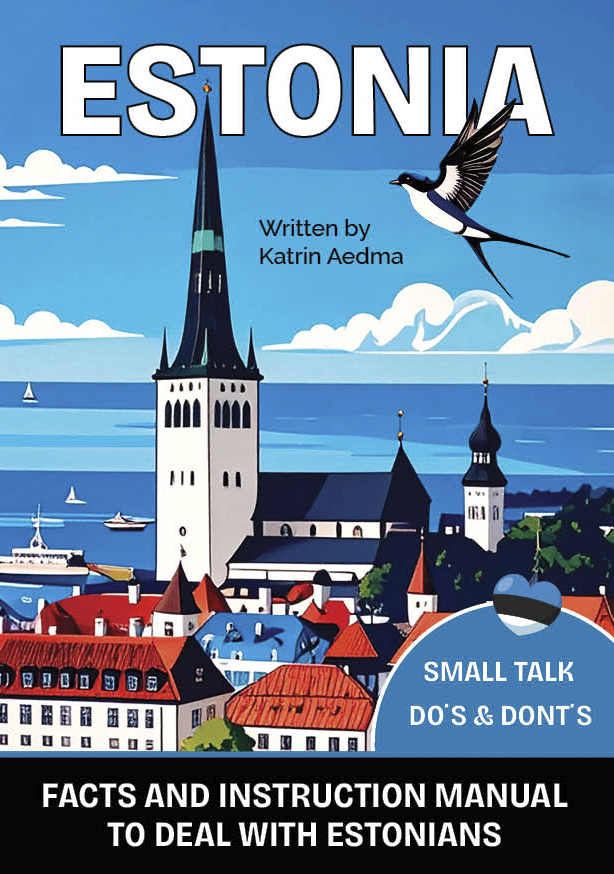
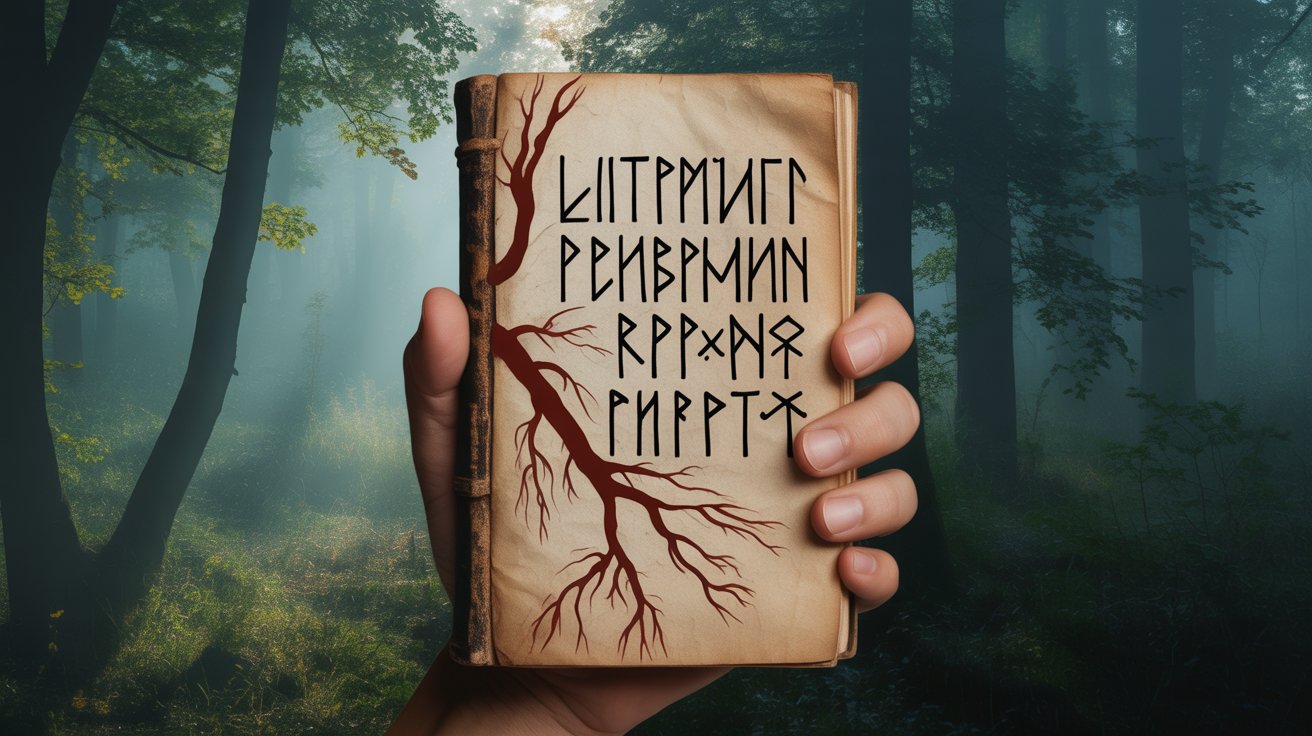
For those eager to dive deeper into the fascinating nuances of the Estonian mindset, from their love of nature to their unique brand of humor, a new guide offers a perfect starting point. The pocketbook, “Facts and Instruction Manual to Deal With Estonians” (Taskuraamat Eestist ja Eestlastest) by Katrin Aedma, is a treasure trove of insights designed to help you navigate the charming complexities of this Baltic nation. Think of it as your personal cheat sheet to winning Estonian hearts—though now, you already know the most important rule.
Pocket book “Facts and instructions for communicating with Estonians” by Katrin Aedma
This is also interesting, another book by Katrin Aedma:
More Information about the new edition: https://katraining.weebly.com/taskuraamat.html



















Comments