 By
By 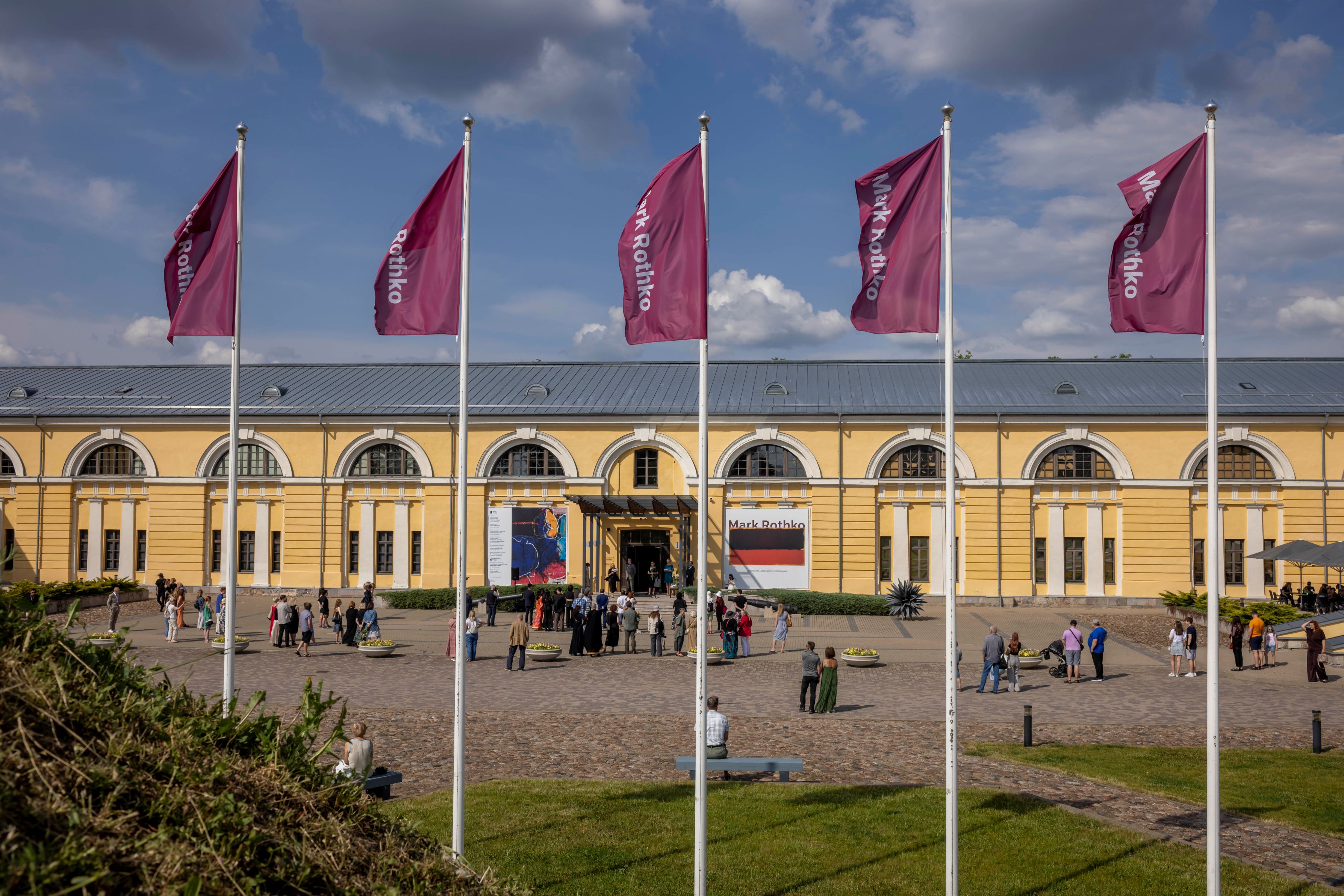
Daugavpils, a city once merely a dot on the map for Marcus Rothkowitz, now Mark Rothko, is preparing for an event that promises to be more than just a birthday celebration; it’s a deeply personal return to roots. On September 17, marking the 122nd anniversary of the Latvian-born artist’s birth, the Rothko Museum in Daugavpils will become the epicenter of a cultural pilgrimage where history, art, and personal drama intertwine. This is not merely another exhibition; it’s a symbolic reunion of one of the world’s greatest abstractionists with his homeland, an event that underscores how, even for an artist of global renown, his roots remain an integral part of his identity and legacy.
The upcoming celebration promises to be filled with both joy and profound meaning. At 4 p.m., the museum’s foyer will host the unveiling of a sculpted portrait of Rothko by artist Ivo Folkmanis. Cast in bronze, the bust is a gift from the Jewish Community of Rīga, made possible with the support of the Latvian Jewish Community Restitution Fund, and is more than just a commemorative object. Bronze, a material traditionally associated with permanence and honor, lends particular significance to this gift, cementing Rothko’s foundational presence in his birthplace. The origin of the gift from a “Restitution Fund” infuses the event with an added layer of historical and cultural meaning, subtly connecting Rothko’s Jewish heritage to a broader narrative of historical justice and community support. This suggests that the pursuit of reclaiming what was lost, be it cultural heritage or works of art, is an ongoing and vital endeavor.
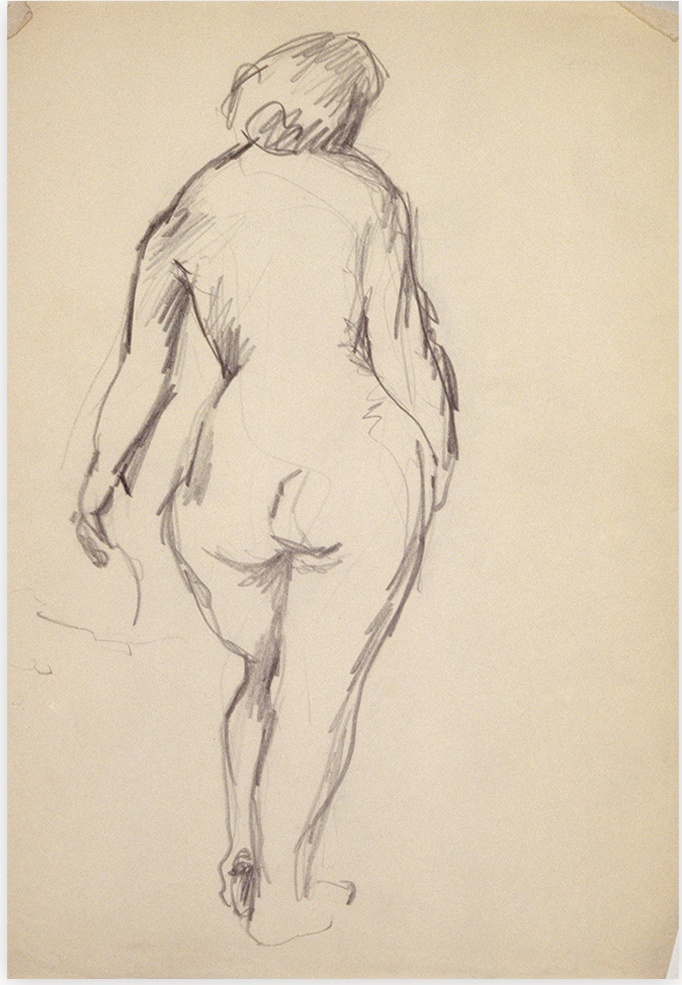
The highlight of the day will be the formal donation of two original Rothko drawings from the family’s private collection. These works, Standing female nude (1934/1935, graphite) and Reclining woman on sofa (1937, ink), are compelling examples of Rothko’s early figurative work on paper. They showcase his expressive linework, keen eye for detail, and deliberate distortions of form that would eventually evolve into his iconic abstractions.
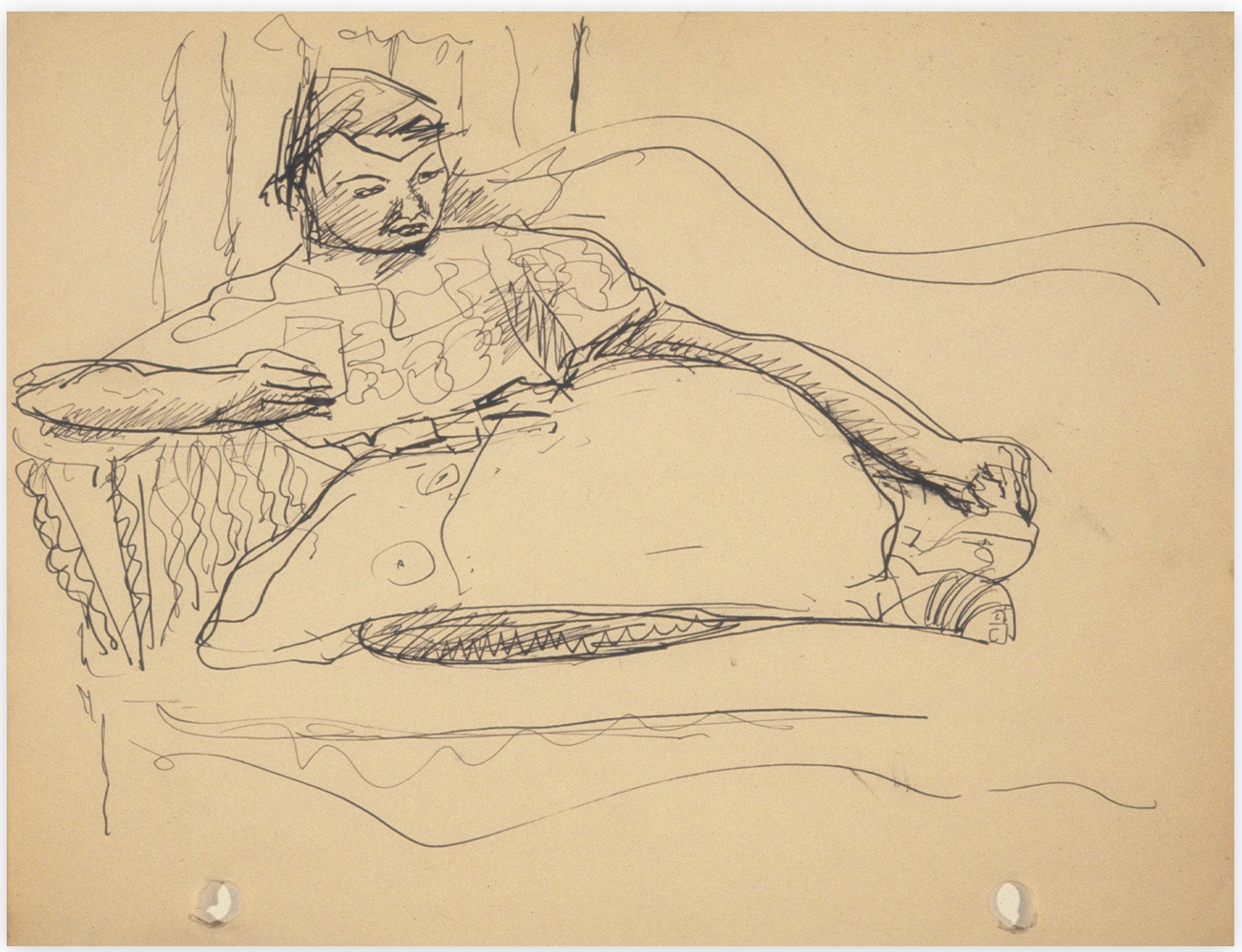
For many, Rothko is synonymous with his large, luminous abstract canvases. However, the introduction of these early figurative drawings offers a rare and crucial glimpse into his artistic development, challenging the common perception of him as solely an abstract artist and providing a more complete narrative of his evolution. This allows the museum to present a more holistic view of the artist, illustrating the foundational elements and intellectual journey that led to his mature style.
The generous gift doubles the number of original Rothko works held by the museum and reflects the family’s continued support for its mission and strategic vision. This act, especially in light of the family’s past struggles to protect his art, underscores a profound level of trust and strategic alignment between the Rothko family and the Daugavpils institution. It’s not just a gift of art; it’s an act of strategic philanthropy that endorses the museum as the rightful and trusted custodian of his works, fulfilling a vision of public access that was once threatened.
| Artwork Title | Year(s) | Medium | Dimensions (cm) | Artistic Significance |
| Standing female nude | 1934/1935 | Graphite on Bond paper | 30.5 x 21.6 | Example of early figurative work, showcasing expressive linework and precursors to his iconic abstractions. |
| Reclining woman on sofa | 1937 | Ink on Bond paper | 20.5 x 26.7 | Example of early figurative work, showcasing expressive linework and precursors to his iconic abstractions. |
At 5 p.m., the celebrations will conclude with an open lecture by Kate Rothko Prizel on preserving her father’s legacy and the long legal battle to bring back his paintings. The “Rothko Case” is a notorious and “shocking” chapter in art history, serving as a “cautionary tale” of greed and betrayal. At its core was how Mark Rothko’s executors, in collusion with powerful art dealer Marlborough Gallery, engaged in self-dealing, undervaluing, stockpiling, and illicitly selling his works after his death, against his wishes and for immense personal profit.
This narrative is not merely a legal dispute; it’s a dramatic account of profound betrayal, systemic injustice, and a daughter’s unwavering fight for her father’s artistic and moral integrity, revealing the darker underbelly of the art world. It highlights the inherent vulnerability of artists and their estates to commercial exploitation and the severe ethical breaches that can occur when fiduciary duties are disregarded.
Kate Rothko Prizel, “as a young woman and still a college student,” courageously took on one of the most powerful art galleries in New York City. Her struggle spanned “nearly a decade of wrangling in court”. Against formidable odds, she prevailed: Marlborough directors were convicted, millions in damages were imposed, and crucially, the court ordered the return of hundreds of paintings—over 650. Subsequently, as administrator of his estate, she “oversaw the donation of the bulk of her father’s artworks to 19 museums, allowing the public access to his paintings, which had been so important to her father”.
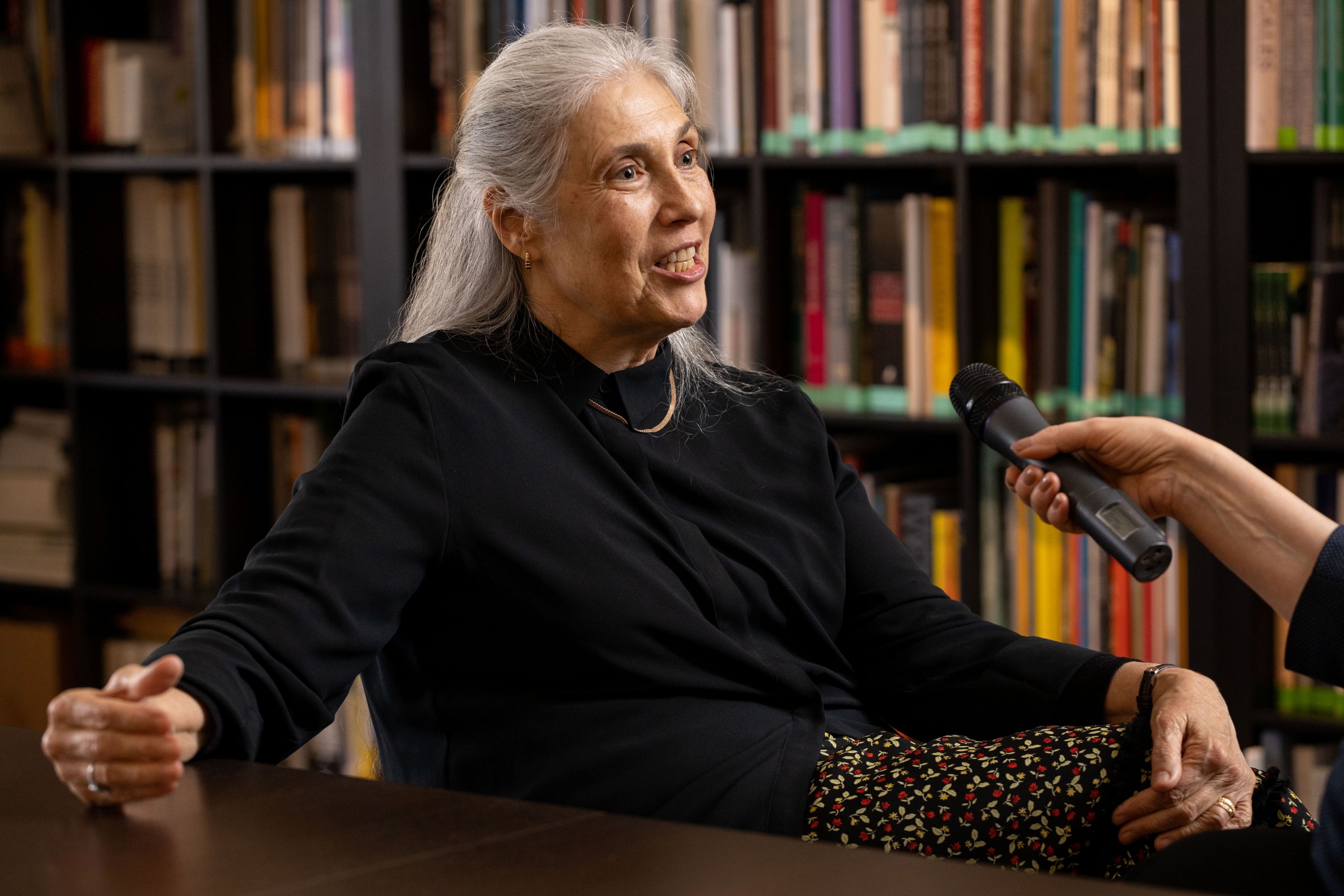
This transforms Kate from a mere heir into a heroic figure, demonstrating her remarkable courage, unwavering determination, and precocious understanding of the profound injustice. Her subsequent actions to donate hundreds of reclaimed works to museums starkly contrast with the gallery’s past actions of hoarding and manipulating art, symbolizing a profound triumph of public good over private greed and fulfilling Rothko’s own desire for his art to be seen.
The Rothko Museum in Daugavpils holds a unique and significant status as “the only public institution in Eastern Europe to house original works by Mark Rothko”. This positions Daugavpils as an essential and unique destination for art enthusiasts and scholars worldwide. For an artist of Mark Rothko’s international stature, being the sole location for his original works across an entire geographical region elevates Daugavpils to a global art pilgrimage site.
The museum continues to develop as a “dynamic hub for contemporary art, culture, and education”. This implies that Rothko’s legacy is not merely a historical artifact but an active, evolving force that continues to inspire and shape contemporary art and culture. By fostering contemporary art, culture, and education, the museum ensures that his artistic principles and spirit remain relevant and continue to inspire new generations of artists and thinkers.
Kate Rothko Prizel’s lecture will be held in English in the museum’s conference hall and streamed live on the institution’s official Facebook page. Admission is free, but advance registration through the museum’s website is required for in-person attendance. This strategic decision to offer both physical and digital access reflects a contemporary understanding of audience engagement. It democratizes access to important cultural discourse, allowing individuals worldwide, regardless of their geographical location or ability to travel, to participate directly in the celebration and learn from Kate Rothko Prizel.
We invite you not only to attend the lecture but also to visit the Rothko Museum itself to experience the newly donated works and the full, multifaceted breadth of Rothko’s legacy firsthand. It’s an opportunity to connect with a history that continues to live and inspire.
For more information and registration, please visit WWW.ROTHKOMUSEUM.COM, find us on Facebook (/Rothko Museum) and Instagram (/rothkomuseum), or contact Inga Gedžūne at [email protected] or +371 26070651.












Comments