

 By
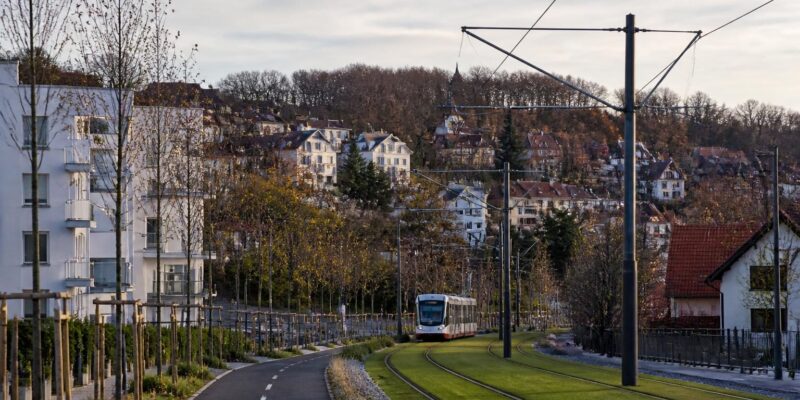
Gdańsk is marking the start of construction of a new tram corridor between the city’s southern districts and Wrzeszcz, a project intended to give residents a faster public-transport connection across one of the city’s fastest-growing urban areas.
The symbolic launch is taking place on Saturday, November 21, near the Wileńska retention basin. The event includes a public information point, a walk along the planned route and a ceremonial first spade. City officials, representatives of the national administration, the municipal development authority and the construction consortium are expected to attend.
A cross-city connection
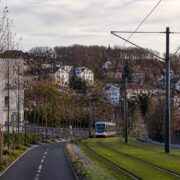
The Gdańsk Południe–Wrzeszcz route will run from the junction of Rakoczego and Jaśkowa Dolina to the area of Grunwaldzka Avenue in Wrzeszcz. According to the city’s project information, the tram line will be approximately 3.6 kilometres long and will include seven stops, including an integrated bus-and-tram interchange.
The route will pass through or alongside Wileńska Street, Sobieskiego Street, Do Studzienki and Bohaterów Getta Warszawskiego. A 280-metre tunnel beneath Wileńska Street is also planned. The design is intended to connect residential neighbourhoods on Gdańsk’s upper terrace with Wrzeszcz, one of the city’s principal transport, commercial and education centres.
Gdańsk estimates that a tram journey between the planned Warneńska and Miszewskiego stops could take around 12 minutes. During peak periods, services are planned at five-minute intervals, with capacity for as many as 2,500 passengers per hour in one direction.
More than a tram line
The investment also includes 4.8 kilometres of cycle routes and the reconstruction of approximately 2.8 kilometres of existing streets. This broader approach reflects the city’s intention to treat the project as an urban connection rather than a stand-alone rail installation.
For residents, that could mean new links between local streets, public transport and cycling routes. For the city, the route is expected to provide an alternative to car travel on corridors where journey times can be affected by congestion. The municipality describes the line as an important part of improving access to the growing southern districts.
Preparatory activity has already begun around the planned construction area. The city and the Directorate for Urban Development have been holding information meetings and investment duty sessions, giving residents opportunities to ask about construction phases, pedestrian access and temporary traffic arrangements.
European funding and construction timetable
The construction contract is valued at 354.6 million złoty. The project has received more than 259 million złoty in European Union support through the FEnIKS 2021–2027 programme, which funds infrastructure, climate and environmentally oriented investments. The Centre for EU Transport Projects identifies the broader project as part of Gdańsk’s municipal transport programme.
The work is being carried out by a consortium of NDI SA and NDI Sopot SA. The city says construction activity will develop in stages, with early works including underground utilities, temporary road arrangements and preparatory works near Jaśkowa Dolina, Wileńska and Bohaterów Getta Warszawskiego.
Completion and acceptance of the route are planned for 2029. The construction schedule means that residents will see local changes before the line becomes operational, including temporary restrictions for pedestrians and road users. The municipality has therefore paired the launch with public information measures rather than presenting the project only as a finished transport promise.
Planning for a growing city
Gdańsk has expanded significantly beyond its historic core, and the southern districts have become important areas for new housing and everyday commuting. The new corridor is designed to address that pattern by linking a growing residential zone directly with an established interchange and urban destination.
Its practical impact will depend on the final service pattern, connections with buses and the wider tram network, and how well the new cycling and street infrastructure works together. Still, the project’s combination of tram tracks, interchange facilities, cycle routes and street reconstruction gives it a broader role in the city’s development strategy.
Saturday’s launch is therefore both a construction milestone and a public-facing planning moment: Gdańsk is beginning a long project whose central aim is to make movement between its southern neighbourhoods and Wrzeszcz more direct, predictable and less dependent on road traffic.















Comments