

 By
By 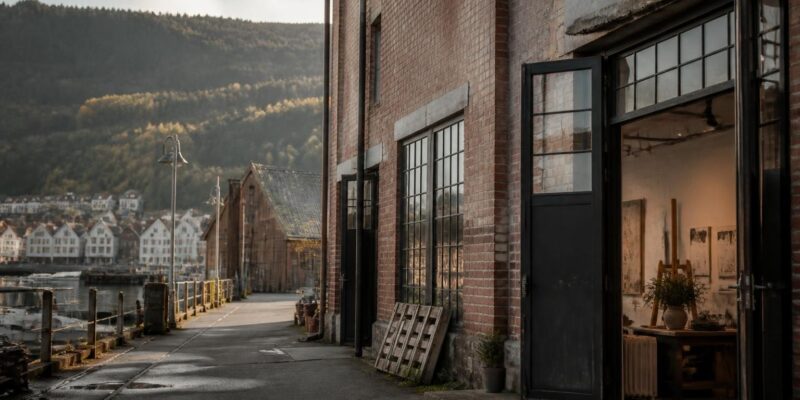
A different way to see Bergen
Bergen is opening a less familiar side of its cultural landscape this weekend. From 19 to 20 September 2026, B-open will invite visitors into the working studios of professional artists and craftspeople across the city and its surrounding districts.
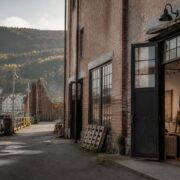
The annual open-studio festival turns places that are normally hidden from public view—industrial buildings, shared workshops, converted rooms and artist-run spaces—into temporary visitor destinations. The format offers travellers and residents a chance to see not only finished works, but also the environments and processes behind them.
According to the festival organiser, all open studios and associated events are free and open to everyone. The main public hours are 12:00 to 17:00 on both days, with studios in central Bergen opening on Saturday and participating locations outside the city centre opening on Sunday. ([b-open.no](https://www.b-open.no/information-for-artists/?utm_source=openai))
From galleries to working rooms
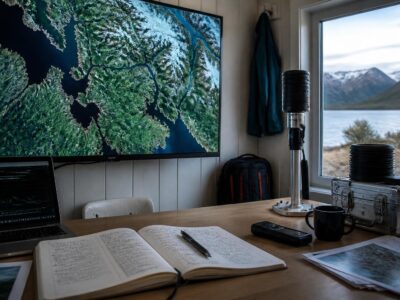
B-open’s appeal lies in its directness. Instead of presenting art only through galleries or formal exhibitions, the festival gives visitors access to the places where artists develop, test and produce their work. That can make the city’s creative scene easier to understand for first-time visitors, while also encouraging people to explore neighbourhoods beyond Bergen’s most familiar attractions.
The programme covers a broad range of practices, including visual art, craft, photography, installation, film and electronically produced work. The organiser’s artist directory allows visitors to plan routes according to location and discipline, although the festival’s structure also supports a more open-ended form of discovery: choosing a district, walking between studios and seeing what is available along the way.
The distinction between the two days is practical rather than thematic. Central studios are scheduled for Saturday 19 September, while studios in areas including Askøy, Minde, Sandviksbodene, Laksevåg and Fana are scheduled for Sunday 20 September. This arrangement spreads the event across the metropolitan area and gives visitors a reason to return for a second day.
A citywide cultural itinerary
Several partner venues are adding their own activities to the weekend. Bergen Electronic Art Centre, known as BEK, has announced an open-studio programme at its premises in C. Sundts gate. Visitors can encounter artists working with video, interactive installations and electronic tools, with the emphasis on works in progress and artistic research rather than a conventional exhibition display. ([bek.no](https://bek.no/embed/?utm_source=openai))
At USF Verftet, a guided walking tour of central studios is scheduled for Saturday. The meeting point is Kafé Kippers, and the route is designed to introduce visitors to several participating artists on foot. Places are limited, making advance planning useful for visitors who want a structured overview rather than an independent studio route. ([usf.no](https://www.usf.no/en/events/b-open-atelierbesok/IgwyJL0WoY?utm_source=openai))
Other participating spaces are presenting their own open-house activities. Bergen Fellesverksted, for example, is listing a B-open open house on Sunday, alongside workshops and community-oriented activities. Such additions reinforce the festival’s wider purpose: connecting professional artistic production with the city’s maker spaces, neighbourhoods and informal cultural infrastructure. ([bergenfellesverksted.no](https://www.bergenfellesverksted.no/kalender/maned/?utm_source=openai))
A modest but established attraction
B-open is not a new experiment. The organiser says that 130 artists took part in 2025 and that 6,168 visitors attended. Those figures suggest that the event has developed into a recognised part of Bergen’s autumn cultural calendar while retaining the accessible character of an open-house weekend. ([b-open.no](https://www.b-open.no/?utm_source=openai))
For tourism, the event offers a useful complement to Bergen’s established attractions. The city is widely associated with the historic Bryggen waterfront, fjord excursions and its position as a gateway to western Norway. B-open adds a contemporary, locally rooted itinerary that can be experienced at a slower pace and with relatively little cost.
It also gives visitors a more distributed picture of Bergen. Rather than concentrating activity in one museum or festival venue, the event links studios and collectives across different parts of the city. That makes the journey itself part of the cultural experience, whether visitors travel on foot through central streets or use local transport to reach studios farther out.
Planning the weekend
Visitors should check the current artist directory and programme before setting out, since participating studios are divided between Saturday and Sunday and individual locations may have their own details. The official festival information lists the main opening hours as 12:00–17:00, and Visit Bergen confirms that admission is free. ([b-open.no](https://www.b-open.no/information-for-artists/?utm_source=openai))
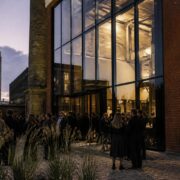
For travellers arriving in Bergen on Friday, the festival’s public opening is scheduled for the evening of 18 September at Bergen Assembly. The weekend programme then moves into the city’s studios, workshops and cultural spaces from Saturday midday.
B-open’s central idea is simple: a city’s creative life is not confined to its finished exhibitions. For one weekend, Bergen’s studios become part of the visitor map, offering an informal route through the people, places and working methods that shape the city’s contemporary cultural identity.











Comments