 By
By 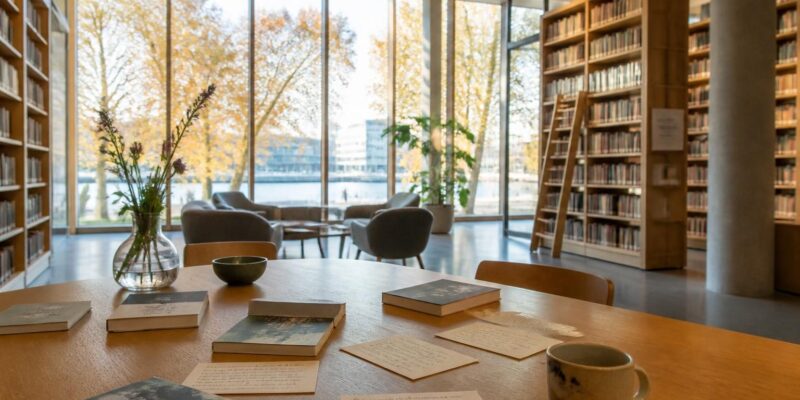
A national literary programme begins in Oslo
Norway’s 2026 Banned Books Week opens on Monday, October 5, with a programme at the University of Oslo devoted to the freedom to read. Prime Minister Jonas Gahr Støre is scheduled to open the national observance at 16:00 at the HumSam Stage in the university’s Georg Sverdrup building.
The week runs from October 5 to 11 and is coordinated by the University of Oslo Library in cooperation with Norsk PEN and the Norwegian Library Association. The organisers describe it as a public platform for conversations about literary freedom, democracy and the role of libraries in keeping a broad range of books available.
Children’s books at the centre of the opening
The opening discussion focuses on children’s and young adult literature, an area where questions about values, education and cultural representation often meet. According to the published programme, participants include author and journalist Marta Breen, Oslo Metropolitan University lecturer and drag artist Remi Johansen Hovda, Cappelen Damm commissioning editor Ragnfrid Trohaug and Norwegian Library Association chair Helene Voldner.
The discussion is expected to examine who should decide what children and teenagers can read, and what is lost when books are removed from library shelves, school collections or public programmes. The organisers frame the issue not only as a question of restriction, but also as a question of how libraries can help young readers encounter unfamiliar ideas and experiences in a guided, open setting.
Topics associated with challenged books include identity, gender, racism, religion, the body and difficult life experiences. In the Norwegian programme, these subjects are presented as part of a wider conversation about the educational and cultural value of literature rather than as a list of controversies.
From one event to a nationwide library campaign
The Oslo opening is the visible starting point for a broader programme involving libraries, bookshops, publishers and other organisations. Norsk PEN says that more than 590 libraries, bookshops, publishers and organisations took part in the 2025 Norwegian edition with exhibitions, events and related activities. The 2026 organisers have invited institutions across the country to create their own programmes during the week.
Examples can include book displays, author meetings, reading groups, classroom discussions and conversations about how librarians respond when a title is challenged. The format allows local institutions to connect a national theme with the needs of their own communities, including school libraries and services for new residents.
A recent contribution from county library services in Akershus, Buskerud and Østfold illustrates that local approach. Librarians there have described the campaign as a way to discuss why books are removed or contested, while also encouraging young people to explore the range of contemporary literature available to them.
A Nordic culture of public access
Norway’s campaign forms part of a wider international Banned Books Week movement, with related initiatives in Sweden and Denmark. In Norway, however, the emphasis is strongly connected to the public library as a democratic meeting place: an institution where readers can browse independently, encounter different viewpoints and take part in cultural life without needing to belong to a particular group.
That makes the week relevant beyond the literary sector. It links publishing, education, libraries and civic participation, while giving cultural institutions a practical way to discuss how access to knowledge works in everyday life. The programme also offers an opportunity to highlight children and teenagers as active readers whose curiosity should be supported rather than narrowly managed.
The opening from Oslo will be streamed, allowing libraries and audiences elsewhere in Norway to follow the discussion. During the rest of the week, local events will extend the conversation into reading rooms, schools, bookshops and community venues.














Comments