

 By
By 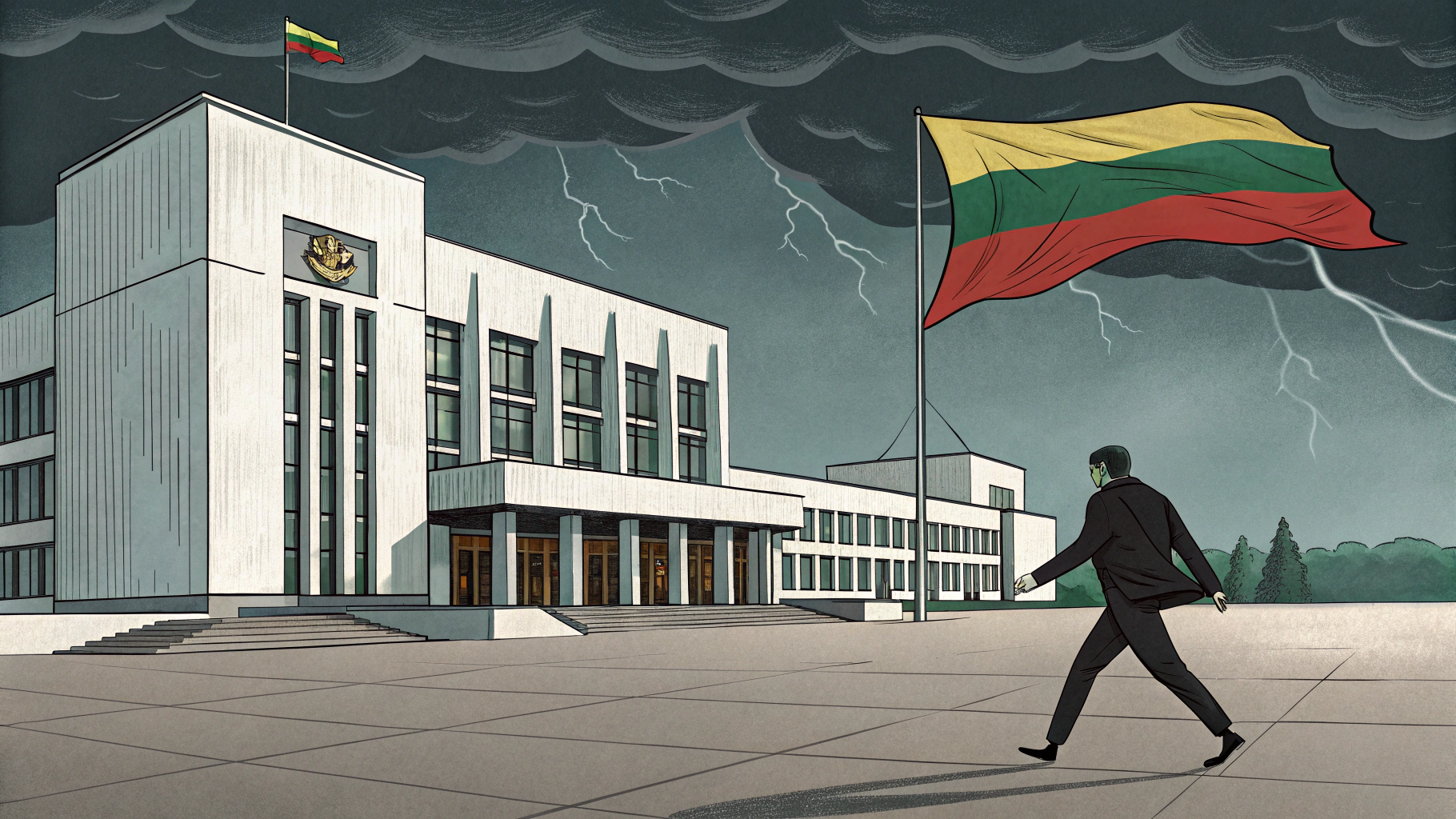
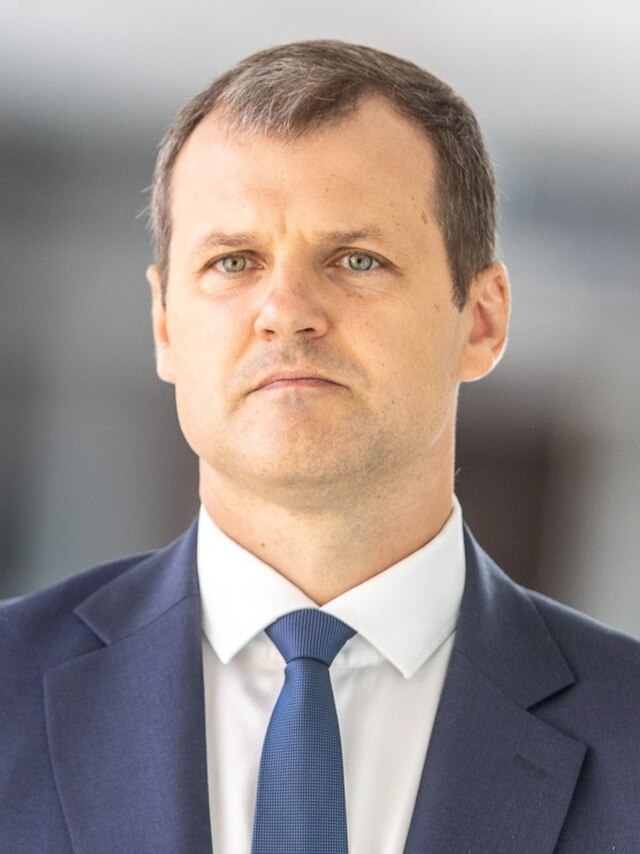
On July 31, Lithuania’s Prime Minister Gintautas Paluckas announced his resignation – a step that led to the fall of the entire cabinet. Public pressure, internal conflicts, and parliamentary investigations had increasingly destabilized the coalition in recent weeks.
Mass protests and growing disagreements within government parties had shaken Lithuania’s political landscape. Paluckas’s resignation was particularly forced by threats from coalition partners to leave the alliance if he did not step down.
President Gitanas Nausėda accepted the resignation and began consultations about possible new government formation. Experts warn that key reforms, such as in defense and tax policy, could stall – with implications for Lithuania’s role as a NATO member on the Russian border.
Public opinion is divided: some see this as a chance for political renewal, others fear a period of prolonged uncertainty. The EU is also closely monitoring the situation – especially with regard to the 2026 parliamentary elections.
Lithuania stands at a political turning point. The coming months will show whether the country is capable of maintaining democratic stability amid growing geopolitical tensions.





















Comments