

 By
By 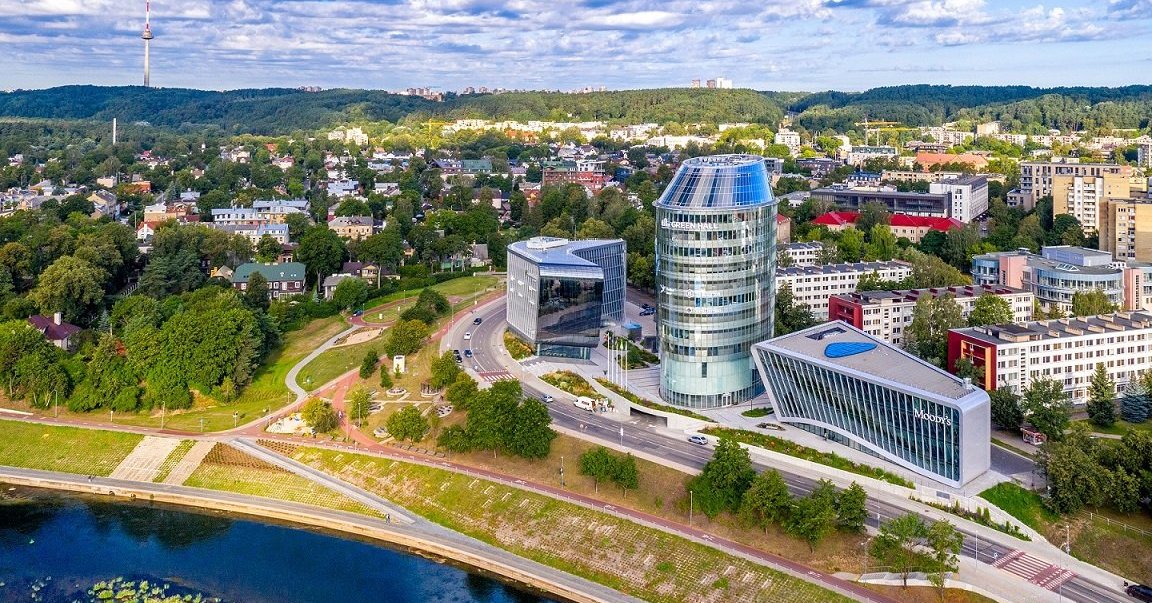
In an era where sustainability is no longer a choice but a necessity, Lithuania is making a bold statement.
Nestled on the picturesque banks of the Nemunas River, the city of Kaunas has just unveiled its most ambitious project yet: the “Nemunas Valley Green Tech Hub.” Launched this week to international acclaim, this sprawling campus isn’t just a collection of modern buildings; it’s a living ecosystem designed to fast-track the future of sustainable technology. With a staggering initial investment of €150 million, the hub aims to merge academic brilliance with entrepreneurial spirit, positioning Lithuania as a formidable leader in Europe’s green revolution. This initiative promises to be a catalyst for economic growth, creating thousands of jobs and attracting global talent to the heart of the Baltics.
What is the Nemunas Valley Green Tech Hub?
The Nemunas Valley project is a state-of-the-art hub dedicated to research, development, and commercialization of green technologies. It spans over 50 hectares and provides laboratories, co-working spaces, and business accelerators for startups and established companies focused on sustainability. The core mission is to create a closed-loop system of innovation, where ideas born in the lab are rapidly transformed into market-ready products.
- Key Focus Areas:
- Renewable Energy: Solar, biomass, and advanced energy storage solutions.
- Circular Economy: Waste-to-energy systems, sustainable materials, and recycling innovations.
- Agri-Tech: Smart farming solutions to reduce environmental impact.
- Sustainable Mobility: Development of electric vehicle components and smart city transport solutions.
A Synergy of Academia, Business, and Government
The true strength of the Nemunas Valley hub lies in its collaborative model. It’s a strategic partnership between the Lithuanian government, private investors, and the renowned Kaunas University of Technology (KTU).
The University Connection: An R&D Powerhouse
KTU, a leader in technological sciences in the Baltics, is the academic anchor of the project. The university has relocated several of its key research centers to the hub, providing students and faculty with unparalleled access to cutting-edge facilities. “This is not just about proximity; it’s about integration,” stated Dr. Eva Jankauskaitė, a fictional lead researcher at KTU’s new sustainable energy lab. “Our students are now working alongside startup founders, and our research is directly addressing real-world market needs. This shortens the innovation cycle from years to months.” This synergy is expected to produce a new generation of engineers and scientists specialized in green tech.
The Business Incubator: From Seed to Forest
For startups, the hub is a fertile ground for growth. It offers a comprehensive incubation program that includes seed funding, mentorship from industry veterans, and access to a global network of investors. The first cohort of 25 startups has already moved in, working on everything from biodegradable plastics to AI-powered energy grids. The goal is ambitious: to nurture at least three “green unicorns” (companies valued over $1 billion) within the next decade.
Economic and Social Impact on Kaunas and Beyond
The Nemunas Valley is projected to be a major economic driver. The Lithuanian government predicts the creation of over 2,500 high-skilled jobs in the first five years alone. This influx of talent is expected to revitalize the local economy of Kaunas, fostering a vibrant, innovation-driven community.
Furthermore, the project emphasizes community engagement. The campus includes public green spaces, an interactive science museum for children, and conference facilities that will host international forums on sustainability. It’s designed to be a landmark not just for the tech community, but for all citizens, showcasing the tangible benefits of a green transition.
A Beacon for the Baltics in the European Green Deal
The timing of this launch is critical. As the European Union pushes forward with its ambitious Green Deal, the Nemunas Valley hub positions Lithuania as a key contributor. It serves as a practical model for how other nations can leverage their academic and industrial strengths to build a sustainable future. The project has already attracted delegations from neighboring Latvia and Estonia, who are keen to learn from Lithuania’s approach and foster cross-Baltic collaborations.
The Green Future is Now
The Nemunas Valley Green Tech Hub is more than just a strategic investment; it’s a testament to Lithuania’s vision and commitment to a sustainable future. By creating a powerful nexus of innovation, education, and commerce, Kaunas is not just cleaning up its own backyard—it’s providing a blueprint for the world. As the first startups begin to roll out their world-changing products, one thing is clear: the future is green, and it is being built today on the banks of the Nemunas.
What aspect of green technology do you believe holds the most promise for changing our daily lives? Share your thoughts in the comments below!



















Comments