 By
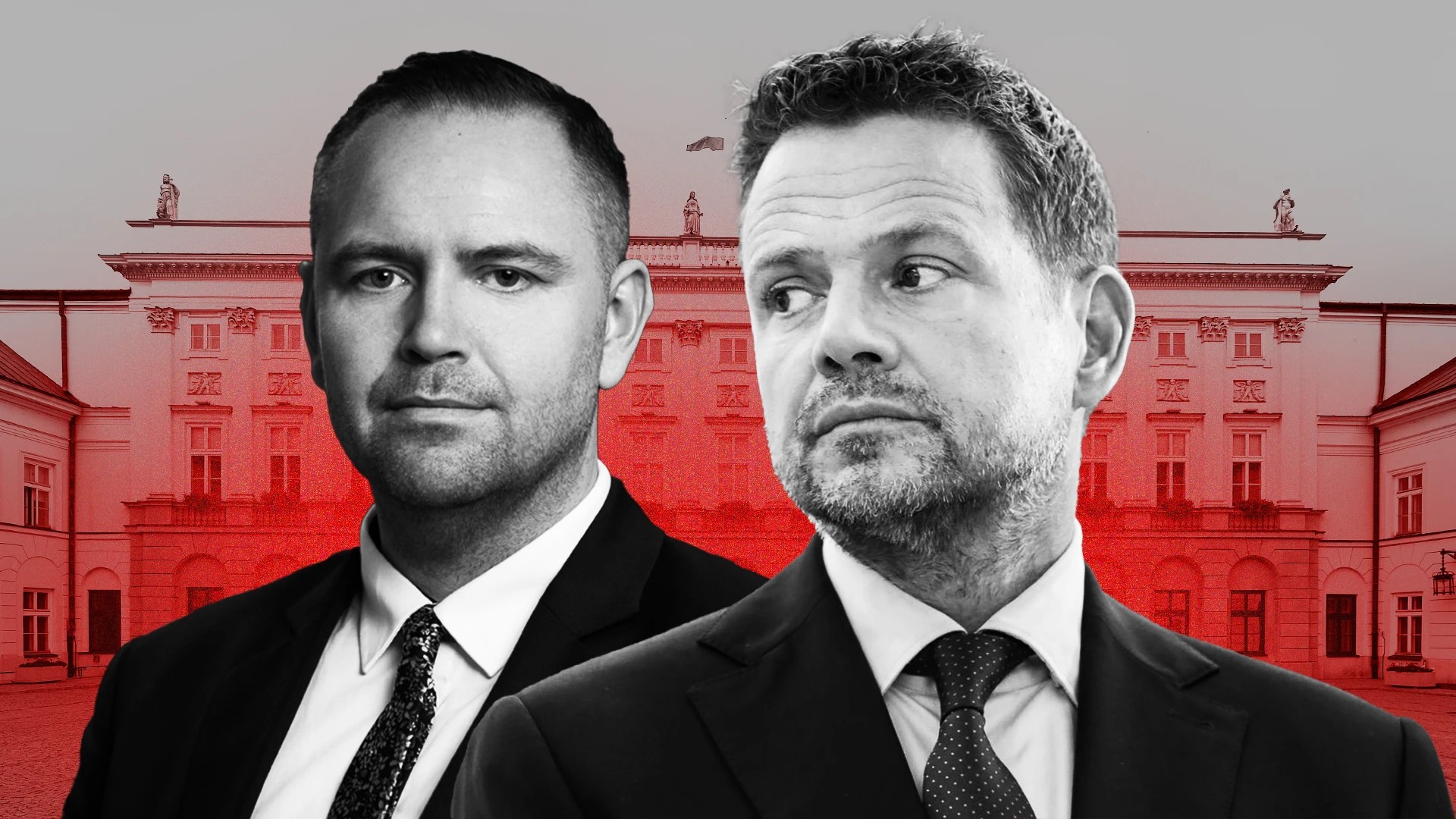
By These elections will undoubtedly go down in history as one of the most intense political showdowns in the Third Polish Republic. Karol Nawrocki, the conservative camp’s candidate, narrowly defeated Rafał Trzaskowski, representing the left-liberal alliance, by a slim margin of 50.89% to 49.11%. Voter turnout hit a record high of over 71%.
A New Balance of Power in Warsaw
Despite numerous allegations against him, many of which remained unsubstantiated, Nawrocki triumphed over the incumbent Mayor of Warsaw. And Trzaskowski, mind you, had the backing of the government, dominant media outlets, and a strong institutional base. Nawrocki’s victory is critical: it has prevented Donald Tusk and his left-liberal coalition from consolidating complete power. Had Trzaskowski won, the ruling bloc would have gained full control over both the legislative and executive branches. This could have paved the way for significant shifts in domestic policy and EU relations, without any meaningful institutional checks. However, with Nawrocki in the presidential palace, Poland’s political system has regained a vital counterbalance. This outcome ensures that different visions for the country’s future will continue to compete, rather than being dictated by a single party.
The “Cohabitation” Era: Challenges and Risks
Poland is now entering a period of “cohabitation,” which will demand institutional maturity—a quality that both sides of the political divide currently seem to lack. The constitutional position of the president in Poland is paradoxical: on one hand, their powers are limited, yet on the other, they can effectively block government initiatives. This could lead to a scenario where Nawrocki vetoes laws, rejects key appointments, and engages in public disputes with the Prime Minister. Tusk’s government, despite its formal authority, risks being reduced to a technocratic manager devoid of strategic clout. Meanwhile, Nawrocki, supported by a broad right-wing base, will become a rallying point for the opposition and a political brake on government actions, especially concerning European integration.
Brussels’ Plans Under Scrutiny
From the European Union’s perspective, Nawrocki’s election throws many plans into disarray. Following a series of victories for pro-EU forces in various countries, the European Commission had hoped that Poland’s election would clear the path for an ambitious project: amending EU treaties. This project involves transferring ten key areas of competence from nation-states to the EU and eliminating the right of veto. Nawrocki’s election could seriously slow down this process. And in alliance with the Eurosceptic governments of Hungary, Italy, and Slovakia, it could even block it entirely. The president-elect has already voiced opposition to controversial directives, such as the Digital Services Act (DSA), which many view as a potential tool for social media censorship. Unlike Trzaskowski, who expressed willingness to sign laws implementing EU regulations, Nawrocki has adopted a critical stance.
Political Stalemate: Governance or Drift?
We are now witnessing a classic stalemate. The government has lost political initiative, the opposition lacks a parliamentary majority, and the president possesses only “negative” instruments of influence. As a result, Poland might not be governed in the traditional sense, but rather “managed”—creating an appearance of control without a clear direction. If Donald Tusk’s government doesn’t undertake radical changes, such as spending cuts, deregulation, and rebuilding market confidence, it risks losing not to Nawrocki, but to its own paralysis.
Voter Sentiment and the Path Ahead
Nawrocki may not be reinventing the Polish state, but he is in a position to halt its ongoing erosion. Although his campaign offered no detailed economic blueprint, the election’s outcome sends a clear signal: voters are tired of progressive social engineering, often imposed by Brussels. They seek a state grounded in a clear sense of identity and purpose. True sovereignty—whether economic or cultural—begins with the ability to make autonomous choices. This is why the 2025 election could be a turning point and the beginning of a new political chapter in Poland’s history.
















Comments