

 By
By 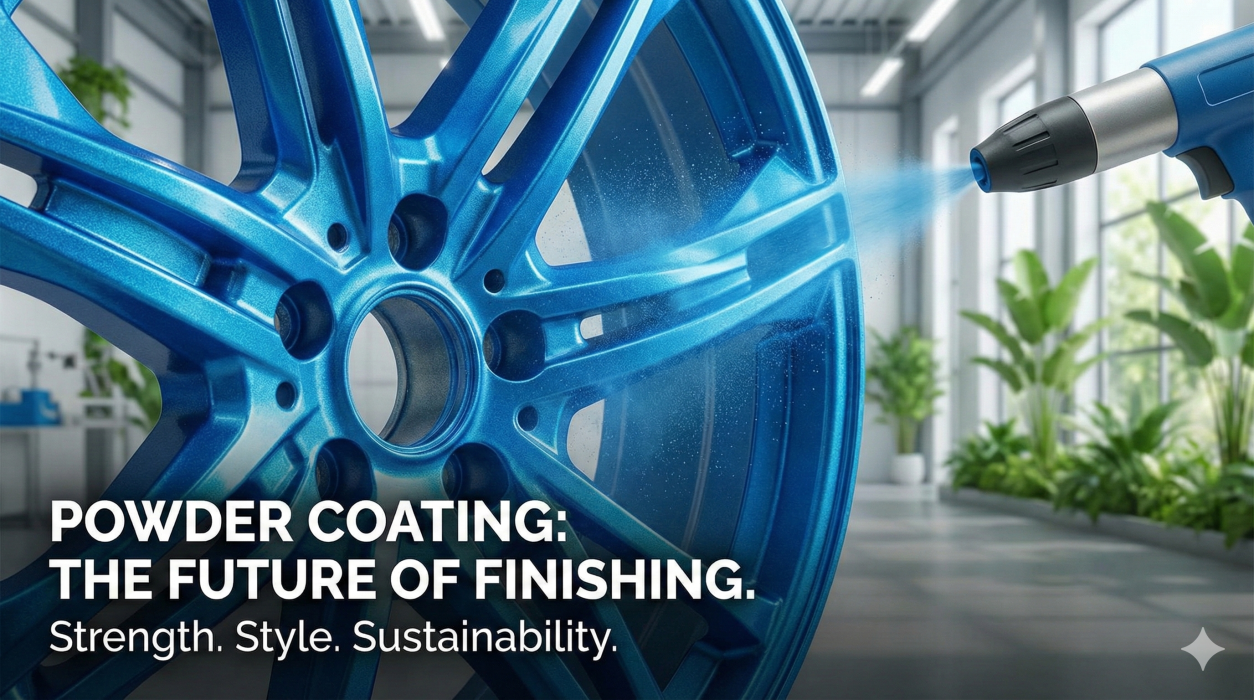
Powder coating is one of the most efficient and durable finishing methods used in manufacturing today. From automotive components to household appliances and architectural structures, powder coating offers a tough, attractive, and environmentally responsible finish. Unlike traditional liquid paints, powder coating uses a dry powder applied electrostatically and then cured under heat, forming a smooth, resilient surface. This process has revolutionised industrial and decorative finishing, delivering long-lasting protection and visual appeal.
Understanding Powder Coating
At its core, powder coating is a method of applying a dry, powdered pigment and resin mixture to a surface, usually metal. The powder is charged electrically, allowing it to adhere to a grounded object. Once applied, the coated item is heated, causing the powder to melt, flow, and cure into a uniform layer. This layer not only enhances the aesthetic appeal but also provides superior protection against corrosion, chemicals, and wear.
The process is solvent-free, which means it emits almost no volatile organic compounds (VOCs), making it an eco-friendly alternative to liquid paints. The result is a coating that’s both beautiful and sustainable, aligning with modern environmental and efficiency standards.
The Powder Coating Process
The powder coating process can be broken down into three essential stages: preparation, application, and curing. Each stage plays a critical role in ensuring a flawless finish and long-term performance.
Surface Preparation
Preparation is perhaps the most vital step. Any dirt, grease, rust, or residue on the surface can prevent proper adhesion, leading to imperfections. Cleaning methods typically include sandblasting, chemical washing, or phosphating. Once the surface is completely clean, it’s ready to receive the powder coating.
Application
The powder is applied using an electrostatic spray gun, which imparts a positive electrical charge to the powder particles. These charged particles are attracted to the grounded object, coating it evenly. The electrostatic attraction helps ensure consistent coverage, even on complex shapes and corners, where traditional liquid paints might run or pool.
Curing
After application, the coated object is placed in an oven, where it is heated to around 160°C to 210°C (320°F to 410°F). During this stage, the powder melts and chemically reacts to form a continuous, durable coating. The result is a finish that is both flexible and resistant to chipping, scratching, and corrosion.
Benefits of Powder Coating
Powder coating offers numerous advantages over traditional painting methods, contributing to its growing popularity in manufacturing, design, and construction industries.
Exceptional Durability
The hardened coating produced through curing is far tougher than conventional paint. It resists cracking, fading, and wear, even under harsh environmental conditions. This durability makes it ideal for outdoor applications, industrial machinery, and automotive parts exposed to friction and heat.
Environmental Sustainability
One of the greatest benefits of powder coating is its minimal environmental impact. Since the process uses no solvents, it produces negligible VOC emissions. Additionally, overspray can be collected and reused, significantly reducing waste. This makes powder coating both efficient and environmentally responsible.
Cost Efficiency
While the initial setup for powder coating can be more expensive than for liquid painting, it quickly proves cost-effective. High material utilisation rates, shorter curing times, and minimal waste all contribute to long-term savings. Furthermore, powder-coated products often require less maintenance and fewer recoats, extending their lifespan and reducing overall costs.
Versatility and Aesthetic Appeal
Powder coating provides designers with immense creative freedom. It’s available in countless colours, textures, and finishes, including matte, gloss, metallic, and textured effects. This versatility makes it suitable for applications where both performance and appearance are crucial, such as consumer goods, furniture, and architectural elements.
Applications of Powder Coating
Powder coating is used across a wide range of industries due to its durability and aesthetic potential.
- Automotive: Commonly applied to wheels, bumpers, and engine components for corrosion resistance and visual appeal.
- Architecture: Used on metal railings, doors, window frames, and cladding to ensure long-term protection from weathering.
- Appliances: Fridges, washing machines, and microwaves often feature powder-coated finishes for both durability and design consistency.
- Furniture: Office and outdoor furniture benefit from powder coating’s resistance to scratches and UV damage.
Technological Advances in Powder Coating
As technology evolves, powder coating continues to improve. New formulations now allow for low-temperature curing, expanding the range of materials that can be coated, including plastics and composites. Advanced powders with anti-microbial, UV-resistant, or anti-graffiti properties are also emerging, catering to specialised industries and public infrastructure.
In addition, innovations in application technology have enhanced transfer efficiency, ensuring smoother coatings and reduced waste. These developments make powder coating even more accessible, efficient, and sustainable for manufacturers worldwide.
Choosing a Professional Powder Coating Service
Selecting the right powder coating provider is essential for achieving the desired finish and durability. When choosing a service, consider factors such as their experience, equipment quality, range of finishes offered, and adherence to environmental standards. Reliable professionals will also offer guidance on proper material preparation and maintenance, ensuring the best results.
For a comprehensive overview of the process, advantages, and best practices, refer to the introduction to Powder Coating, which provides expert insights for professionals and enthusiasts alike.
Conclusion
Powder coating has firmly established itself as a superior finishing method, combining strength, style, and sustainability. Its ability to produce high-quality finishes that endure the test of time makes it an ideal choice across industries. As innovations continue to refine its application and expand its capabilities, powder coating remains at the forefront of modern surface finishing — a perfect blend of durability, design, and environmental responsibility.



















Comments