

 By
By 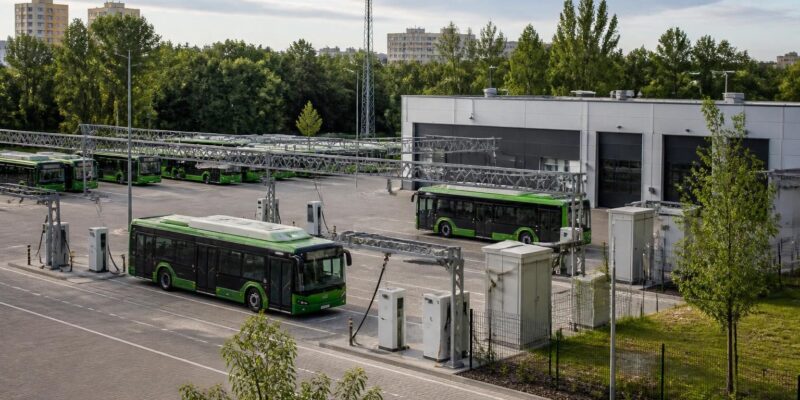
Olsztyn is moving ahead with a major expansion of its southern bus depot, linking new vehicle purchases with the infrastructure needed to operate a more modern municipal transport system. The city presented the project on Monday, August 24, and local reporting on Tuesday confirmed that the contract for the depot works is worth PLN 35,251,169.78 gross. The contractor is INTOP S.A., and the planned delivery period is 18 months. ([olsztyn.com.pl](https://www.olsztyn.com.pl/artykul%2Colsztyn-rozbuduje-zajezdnie-przy-al-sikorskiego-inwestycja-za-ponad-35-mln-zl-zdjecia%2C47826.html))
The investment concerns the depot at Aleja Sikorskiego, in the southern part of Olsztyn. Its location is central to the project’s logic: buses serving large residential districts will be able to start and finish their duties closer to the routes they operate, rather than travelling across the city to reach a northern base. Mayor Robert Szewczyk said the arrangement should reduce unnecessary vehicle mileage and make the system more efficient in everyday operation. ([olsztyn.com.pl](https://www.olsztyn.com.pl/artykul%2Colsztyn-rozbuduje-zajezdnie-przy-al-sikorskiego-inwestycja-za-ponad-35-mln-zl-zdjecia%2C47826.html))
A depot designed for a changing fleet
The expanded site is to include a new workshop and social building, additional parking capacity and technical facilities for the municipal operator. Plans also include photovoltaic panels, with the depot’s energy system intended to support local consumption and, according to the project presentation, feed electricity directly into the city’s tram traction network. The planned photovoltaic installation is specified at 600 kilowatts. ([olsztyn.com.pl](https://www.olsztyn.com.pl/artykul%2Colsztyn-rozbuduje-zajezdnie-przy-al-sikorskiego-inwestycja-za-ponad-35-mln-zl-zdjecia%2C47826.html))
This approach reflects a broader change in how cities plan public transport. Buying buses is only one part of fleet renewal: operators also need workshops, charging or energy systems, staff facilities, parking space and maintenance procedures that can function alongside an active timetable. Olsztyn’s project brings those elements together at an existing depot rather than treating vehicle procurement and municipal construction as separate tasks.
The city previously estimated the value of the wider public-transport programme at roughly PLN 135 million, with almost PLN 100 million in European support for the development of Eastern Poland. The larger package includes fleet modernisation, work at bus terminals, new stop locations and improvements intended to make access to public transport more comfortable. ([olsztyn.com.pl](https://www.olsztyn.com.pl/artykul%2Colsztyn-rozbuduje-zajezdnie-przy-al-sikorskiego-inwestycja-za-ponad-35-mln-zl-zdjecia%2C47826.html))
Work will take place on an operating site
One practical challenge will be maintaining daily depot operations during construction. INTOP representatives said the works would have to be phased so that buses can continue to be serviced and the facility can remain in use. The contractor’s responsibilities cover both design documentation and the construction phase, including the permits required before the physical works begin. ([tko.pl](https://tko.pl/385593%2C2026%2C08%2C24%2Cwielka-inwestycja-w-komunikacje-miejska-olsztyn-wyda-ponad-35-mln-zl))
That staging will matter to passengers even though most of the construction will take place away from public streets. A depot is the back end of a transport network: disruptions there can affect vehicle availability, maintenance cycles and the ability to reinforce services at busy times. Keeping the facility operational should allow the city to expand capacity without temporarily removing its existing base from service.
New buses and supporting street infrastructure
The depot expansion is being carried out alongside changes to Olsztyn’s fleet. The city is in the process of acquiring 20 hybrid buses, with 11 expected to be based at the Sikorskiego facility. A separate element of the wider project covers the purchase of 11 electric buses and the equipment needed to operate them. These figures describe different parts of the city’s fleet programme rather than a single vehicle order. ([olsztyn.com.pl](https://www.olsztyn.com.pl/artykul%2Colsztyn-rozbuduje-zajezdnie-przy-al-sikorskiego-inwestycja-za-ponad-35-mln-zl-zdjecia%2C47826.html))
Other planned measures include work at selected bus loops, additional charging infrastructure and changes to passenger facilities. Locations identified in project information include Jakubowo, Bilewskiego and Zielona Górka, while a charger is planned for the Dajtki loop. The programme also refers to improved passenger information, better approaches to stops and so-called green crossings, connecting the depot investment with the street-level experience of using public transport. ([tko.pl](https://tko.pl/385593%2C2026%2C08%2C24%2Cwielka-inwestycja-w-komunikacje-miejska-olsztyn-wyda-ponad-35-mln-zl))
Why the project matters for Olsztyn
Olsztyn’s transport network recorded an estimated 46.6 million journeys in 2025, according to figures cited by local transport authorities, although ticket-based counting may understate usage where free journeys are not captured in the same way. The city’s investment therefore responds not only to environmental objectives but also to the scale of daily demand. ([olsztyn.com.pl](https://www.olsztyn.com.pl/artykul%2Colsztyn-rozbuduje-zajezdnie-przy-al-sikorskiego-inwestycja-za-ponad-35-mln-zl-zdjecia%2C47826.html))
The result will not be visible all at once. The depot must first be designed and permitted, then built in stages while buses continue to operate. But the project offers a clear example of municipal transport planning that combines fleet renewal, energy production, depot logistics and passenger-facing improvements. For Olsztyn, the immediate task is construction; the longer-term test will be whether the new capacity makes the network easier to operate and more attractive to use.


















Comments