

 By
By 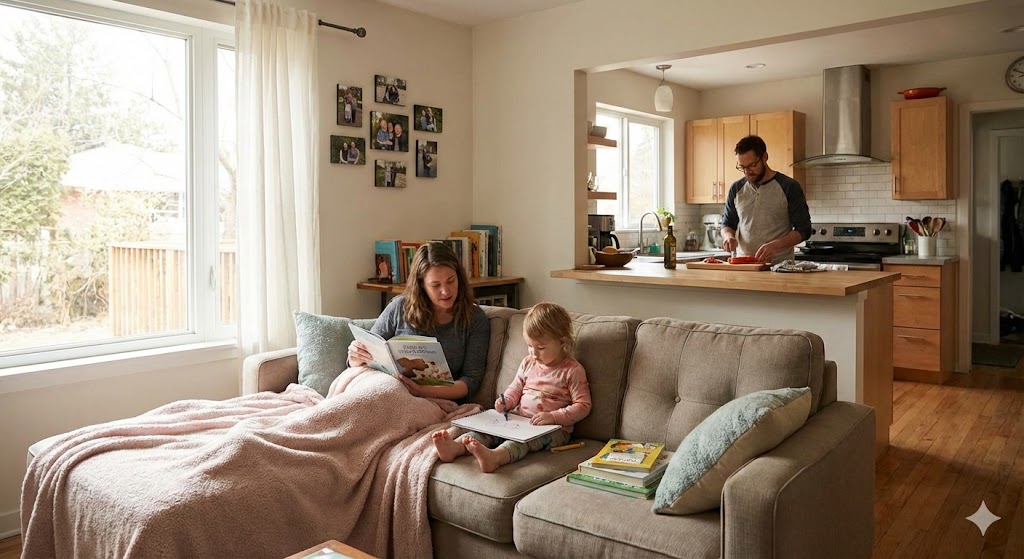
Across the UK, the conversation around children’s wellbeing has broadened significantly in recent years. Schools, health professionals, and family services frequently highlight how much a child’s environment influences their development. While education and emotional support play key roles, the stability and security of the home environment often carry the greatest weight. A child who feels safe and valued is more likely to form healthy relationships, engage confidently with learning, and build resilience for the future.
Much of this comes down to consistency. Children benefit from predictable routines and trusted adults who listen when they speak and respond when they need help. When these foundations are weakened by change, disruption, or unmet emotional needs, children can struggle to develop the sense of security that their peers may take for granted. This is where both family networks and wider community support become crucial.
Understanding the Importance of Stability
Stability is not just about maintaining the same routine each day. It is a combination of emotional reassurance, practical support, and a sense of belonging. For children who have experienced upheaval, stability can feel unfamiliar at first, yet it is vital for helping them rebuild trust. A dependable environment allows them to explore, learn, and form bonds without the fear of sudden change.
Fostering offers one route to creating that stability. Foster carers provide children with a safe home when they cannot live with their birth families, whether for a short period or longer term. Many foster carers describe the experience as life changing. They guide young people through some of the most challenging moments of their lives and support them in developing the confidence to move forward.
Insights from fostering specialists can be particularly helpful for anyone wishing to understand this area in more depth. Match Foster Care, for example, provides a complete guide to fostering, offering clear explanations of the process, expectations, and the different types of support available. Their advice demonstrates how a nurturing and structured home can make a profound difference to a child’s wellbeing.
The Role of Emotional Wellbeing
Emotional wellbeing is often viewed as the foundation for a child’s overall health. Children who feel supported and encouraged tend to express themselves more freely, engage better at school, and develop stronger social skills. Emotional support does not eliminate every challenge, but it gives children the tools to manage difficulties more effectively.
Carers and trusted adults influence this wellbeing every day. A simple conversation at the right moment, or reassurance during a period of uncertainty, can have a lasting effect. Over time, this emotional grounding helps children build resilience. They become more capable of adapting to change and navigating situations that might once have overwhelmed them.
In fostering environments, emotional wellbeing often receives particular attention. Children may arrive with past experiences that shape their expectations of adults and relationships. Foster carers work closely with professionals to understand each child’s needs and provide the reassurance required to help them settle. Through patience and reliable support, children gradually develop a stronger sense of self.
Communities That Support Growth
Although the home environment is central to a child’s wellbeing, the wider community plays a valuable role too. Schools, clubs, youth groups, and local initiatives all contribute to a sense of connection. When children feel linked to their community, they are more likely to explore new interests, form friendships, and develop a sense of belonging.
For children entering foster care, community involvement can be especially powerful. Activities that encourage teamwork or creativity can help them make connections at a time when familiar faces and routines may have changed. Community support can also give carers additional resources, whether through local networks, school services, or specialist organisations.
Research consistently shows that children benefit when families and communities work together. It deepens the support available and helps young people access opportunities that build confidence.
Building Pathways to a Positive Future
Looking ahead, the importance of supportive homes and communities will remain a central theme in children’s wellbeing. As services evolve and families adapt to new social challenges, the core principles remain the same. Children thrive when they are listened to, when their routines feel predictable, and when adults respond with understanding.
Fostering is one of many routes that can help children achieve this sense of stability. It provides them with a safe space to grow while professionals and carers work together to ensure their needs are met. Guidance from experienced fostering providers, such as the resources published by Match Foster Care, helps demystify the process and gives potential carers the confidence to consider opening their homes to a child in need.
By providing structure, emotional support, and a place to belong, carers can reshape a child’s future. The impact extends far beyond childhood. Young people who experience nurturing and reliable care often carry those strengths into adulthood, forming healthier relationships and building more stable lives.
Supportive homes and strong communities are not just important for children. They form the foundations of a healthier and more compassionate society, where every young person has the chance to grow with confidence and security.























Comments