

 By
By 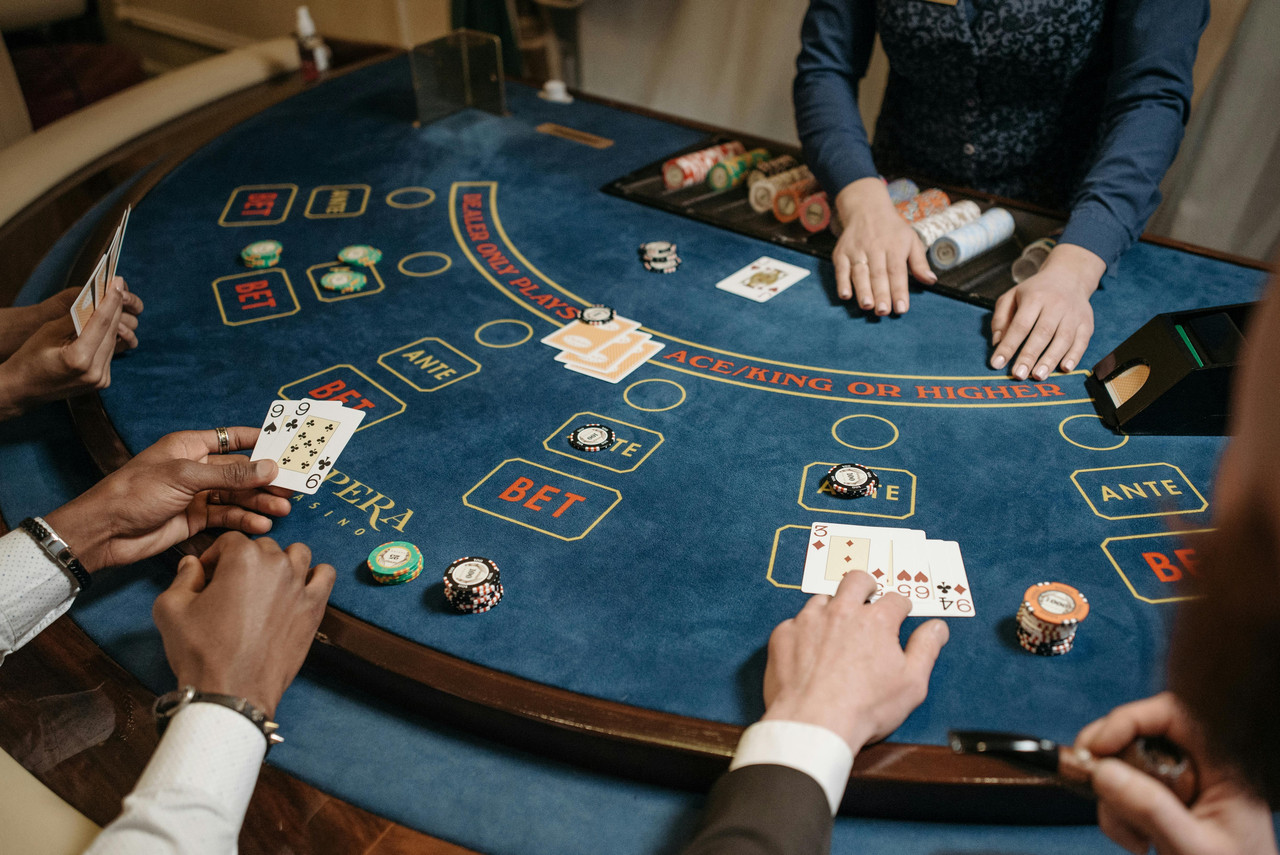
The Baltic online casino scene isn’t some overlooked backwater anymore. In 2026, Estonia, Latvia and Lithuania are seeing sharper growth, stricter regulations and players who expect more. The stats paint a livelier picture than any marketing slogan.
If you just skimmed the headlines, you’d probably think the Baltic online casino market is either going wild or getting strangled by new laws. The truth sits somewhere in the middle, and it’s a bit more complicated than either side admits.
Across Estonia, Latvia and Lithuania, online gambling revenues have been on a steady climb since 2022. Estonia still leads when it comes to spending per person, but Lithuania is catching up a lot faster than most people expected.
What really makes 2026 stand out isn’t just growth, it’s how people play. Gamblers are betting more often but putting down smaller amounts, and that new habit is pushing casinos to rethink everything, from bonuses to their mobile apps.
International brands and the competitive pressure
The Baltics may only have about 6 million people altogether, but the spending per user is impressive. That’s why international brands keep pushing into this market.
But competition isn’t easy. There are a growing number of online gambling brands fighting for space across the three countries, and plenty more working in the overlap. The real battle has shifted to retention. Acquisition costs has jumped since 2023, so companies are focusing more on keeping their players instead of constantly chasing new ones.
Even massive platforms like Jackpot City South Africa get mentioned in regional comparisons, not because they’re big here, but because Baltic players use them as benchmarks for things like bonuses and game selection. Still, localization is a make-or-break. If a platform isn’t strong in the local language, it just doesn’t retain users, which can be costly for online casinos trying to retain a steady gamer base. Localization therefore continues to be at the center of online casinos.
Estonia still leads, but growth is slowing
Estonia is still the most mature online gambling playground in the Baltics. Roughly 70% of all gambling revenue now comes from digital platforms, which is one of the highest rates in Europe for a country this size.
But the growth is cooling off. Industry numbers say online casino revenue in Estonia rose just 4 to 5% in 2025, while earlier in the decade, it was jumping by double digits. That doesn’t mean the market’s weak, it means it’s reached a saturation point.
Live dealer games are still the big draw. Streams of blackjack and roulette grab a good chunk of all online casino engagement hours in Estonia, which says a lot about where the focus is shifting.
Lithuania’s fast climb and stricter rules
Lithuania is probably the most interesting spot in 2026 because it’s still growing fast, even while it’s tightening the rules. Online gambling revenue has gone up an estimated 14% year over year, even though tough advertising restrictions put in place earlier in the decade have cut visible marketing by more than half. In plain terms, there are fewer ads but more players.
That might sound odd until you look at how users behave. Lithuanian gamblers are sticking to their favorite platforms and apps. Because the regulator limited public ads, operators had to step up their game to keep people around. Loyalty programs and bonus systems have become more organized.
Surprisingly, it’s crash-style games and other short-session formats that are shooting up, outpacing old-school slots.
Latvia is a small market that is surprisingly steady
Latvia gets brushed aside a lot, but in reality, it’s probably the steadiest of the three. Growth sits at a steady rate, and once players sign up, they tend to stick around.
Payments have changed a lot in 2026. Instant transfers and local banking options now make up more than half of all deposits. And while that might sound minor, faster deposits go hand in hand with more frequent play.
Mobile has officially taken over
This isn’t even a debate anymore, mobile has won. By 2026, over 90% of all online casino sessions in the Baltics happen on mobile devices. Desktops are mostly for older gamblers or hardcore bettors juggling more than one table at once.
Session times are shorter, too. The average mobile casino session lasts about 7 to 9 minutes, down from 12 just a few years ago. It seems like less, but in reality, people play more often, it’s just that each session is quicker.
Operators responded by speeding everything up. Games and interfaces are now all about fewer clicks, faster loads, and almost instant swaps from one game to another.
Responsible gambling is no longer optional
A big change in 2026 is how seriously people are taking responsible gambling, regulators and players alike. Use of self-exclusion tools across the Baltics has been derceasing. Deposit limit features get used by some active gamblers, especially in Estonia and Lithuania, but there is a need for higher engagement.
It’s not all because of new rules, either. Surveys show that especially younger players in the region prefer platforms that offer spending controls and tools to track habits.
Skip this trend and you lose out, fast. Some platforms without good responsible gambling systems have a harder time retaining players.
A market settling in
The Baltic online casino market in 2026 isn’t exploding or falling apart. It’s settling into a particular rhythm. Estonia is solid and fully digital, but its rapid growth days are past. Lithuania is expanding quickly, but doing it under stricter rules that change how people play. Latvia keeps a low profile, but user retention and engagement are rock steady.
Everywhere you look, it’s not just about more money, how people play has changed, too. Sessions are shorter, mobile is everywhere, loyalty programs are stronger and people want more transparency.
If there’s one thing to take away from all this, it’s that online casinos in the Baltics don’t compete by being the biggest or the flashiest anymore. Now, it’s all about trust, speed and fitting right into everyday life.













Comments