 By
By 
Centuries ago, before the arrival of sleek digital platforms, social life in the Baltic region often revolved around inns, taverns and market squares. People gathered in these spaces to trade goods, share meals and play games of chance with dice and cards. These early pastimes were the cultural forerunners of what would later be called casino games. The thrill of competition, the small risks involved and the laughter around a wooden table created bonds that made play an integral part of local community life.
When Soviet rule imposed heavy restrictions on gambling, much of this culture was forced underground. Still, small card circles and hidden slot machines found their way into basements and hotel corners. In Tallinn during the late 1980s, even as official restrictions remained in place, tourists could occasionally find slots tucked away in hotels, a sign that public appetite for play was never fully extinguished.
Today, that appetite is reflected in a thriving industry: by 2023, gambling revenue reached €347 million in Estonia, €370 million in Latvia and €222 million in Lithuania, with online play now representing the majority of activity across the region. For you, it is striking to see how resilience in gaming culture carried forward through repression and secrecy.
Dawn of Legislation in the Baltic Post-Soviet Era
When the Baltic states regained independence in the early 1990s, each faced the task of rebuilding legal and cultural institutions. Gambling was among the industries that required structure: Estonia acted quickly, passing its first Gambling Act in 1995 and its Lotteries Act in 1994, creating the framework that legalized and supervised games of chance. Latvia moved along a similar path during the same decade, introducing oversight that gradually expanded to match growing demand.
Lithuania, on the other hand, took a more cautious approach, with legal land-based venues introduced first and a more gradual entry into digital formats. These different speeds reflected cultural attitudes toward risk and state control. The introduction of regulations meant that, for the first time in decades, residents could enjoy the best casino games in public without fear of legal repercussions.
By 2023, more than 80 licensed gambling operators were active across the three countries combined, a sign of how quickly those early legislative moves translated into a structured and competitive market. When you imagine the excitement of stepping into a brightly lit venue after years of prohibition, it becomes easier to appreciate how foundational those early laws were in dictating the current terrain.
Emergence of Online Platforms and Digital Shift
With internet access spreading through Baltic households in the 2000s (rising to three-quarters of all households logging on daily today), gambling entered a new phase. Estonia became one of the first in the region to legalize online gambling in 2010, building on an updated law introduced in 2008. That decision reflected the country’s reputation as a digital leader, where technology already influenced governance, banking and everyday life.
Latvia, too, began establishing online regulatory systems during the mid-2000s, formalizing structures by the end of that decade. Lithuania built a more restrictive model, demanding financial transparency and player protection from any operator wishing to enter the market. For you as a player, these frameworks meant that the same kinds of casino games once limited to smoky rooms or bright halls were suddenly available from a laptop or mobile phone.
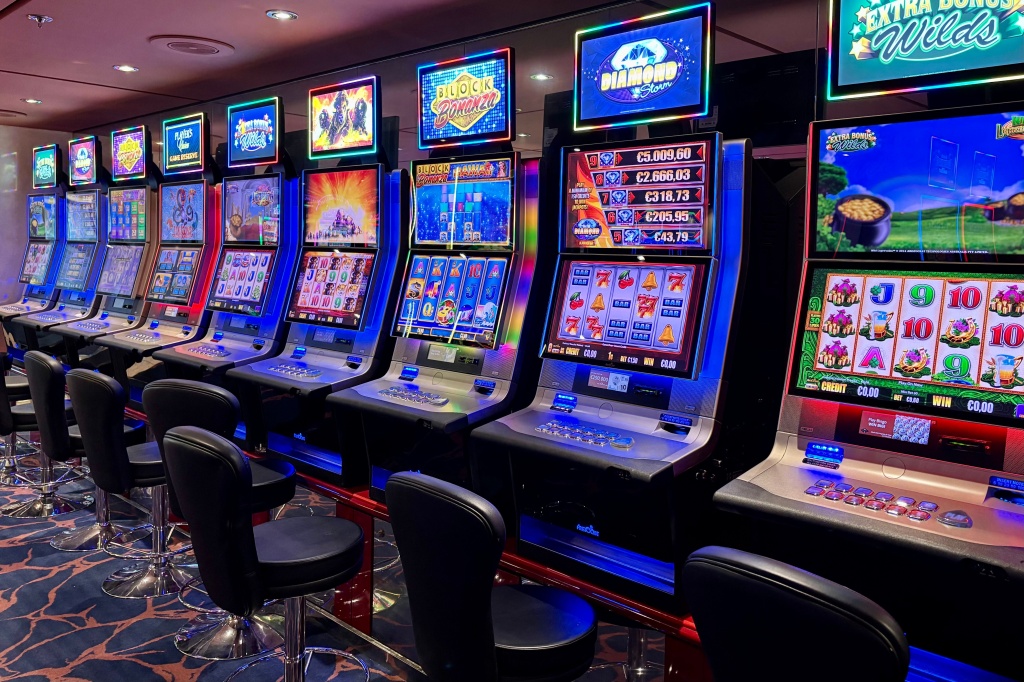
Slots, poker tables and roulette wheels could be accessed at home, during travel or in a café. The flexibility and convenience of this shift changed the cultural meaning of gambling, turning it from an occasional night out into a potential everyday pastime. By 2023, casino games represented 72% of online gambling revenue in Estonia and 63% in Latvia, a clear sign of how digital play had overtaken land-based venues as the dominant form of participation.
Regulation, Culture and Market Dynamics
Legalization alone does not create stability. In each Baltic country, regulators implemented licensing and taxation systems to establish order and build trust: Estonia required operators to obtain either an activity licence or a service licence, demanding millions in capital reserves and applying a monthly gambling tax; Latvia developed a similar framework with its own supervisory body, tightening rules to combat money laundering and to maintain responsible operations.
Comparatively, Lithuania chose to be stricter, prioritizing consumer safeguards and limiting market entry to operators that could prove financial security and commitment to ethical play. For you as a participant, these structures mean that when you engage with online casino games, you do so within settings designed to promote transparency and security.
The cultural consequences of these rules are visible: in Estonia and Latvia, online markets have expanded rapidly, supported by strong internet infrastructure and widespread mobile access, while in Lithuania, growth has been more measured. Each model reflects a balance between consumer appetite and the responsibilities of government oversight.
What the Digital Journey Means for You Today
When you look at today’s Baltic gambling environment, the contrast with history is striking: centuries ago, a dice roll in a tavern was an intimate moment shared among neighbors. Today, you can log in and experience a library of casino games spanning everything from traditional card tables to immersive video slots. Ultimately, the difference lies in scale as well as in accessibility.
Modern platforms let you participate across devices, while state oversight provides recourse if disputes arise or problems occur. For residents, this means an experience that is both culturally familiar and technologically current; for visitors, the region offers a distinctive gaming environment that mirrors wider European trends yet retains unique national characteristics.
The economic impact is also considerable: licence fees and tax revenues contribute to public budgets, while the industry generates employment in technology, compliance and customer support. Looking at the arc of this journey, you see a transformation from community gaming in local taverns to regulated digital entertainment available on demand, in a transformation that keeps casino games relevant and woven into the cultural fabric of the Baltics.
Key Takeaways
- Baltic Online Gambling Revenue in 2023: Estonia, Latvia and Lithuania collectively generated approximately €939 million in gambling revenue. Estonia led with €347 million, Latvia followed with €309 million, while Lithuania contributed €222 million.
- Dominance of Casino Games: In 2023, casino games accounted for 72% of online gambling revenue in Estonia and 63% in Latvia, reflecting the strong preference for these games among players in the region.
- Growth in Online Gambling: The share of online gambling in Europe increased from 37% in 2023 to 39% in 2024, indicating a continued shift towards digital platforms across the continent.
- Lithuania’s Online Gambling Growth: Lithuania’s online gambling revenue reached €96.1 million in the first half of 2025, marking an 18.2% increase compared to the same period in 2024, highlighting the country’s expanding digital gambling market.
















Comments